
You love fresh sourdough, but guessing fermentation times leaves you with dense loaves or overproofed messes. Learning how to bulk ferment sourdough at room temperature gives you predictable, flavorful dough without a proofing box. In this guide you'll get exact ratios, clear timing, and simple checks so you can bulk ferment at home confidently. Read on and you'll know what to do at every hour.
What You'll Need (Ingredients + Tools)
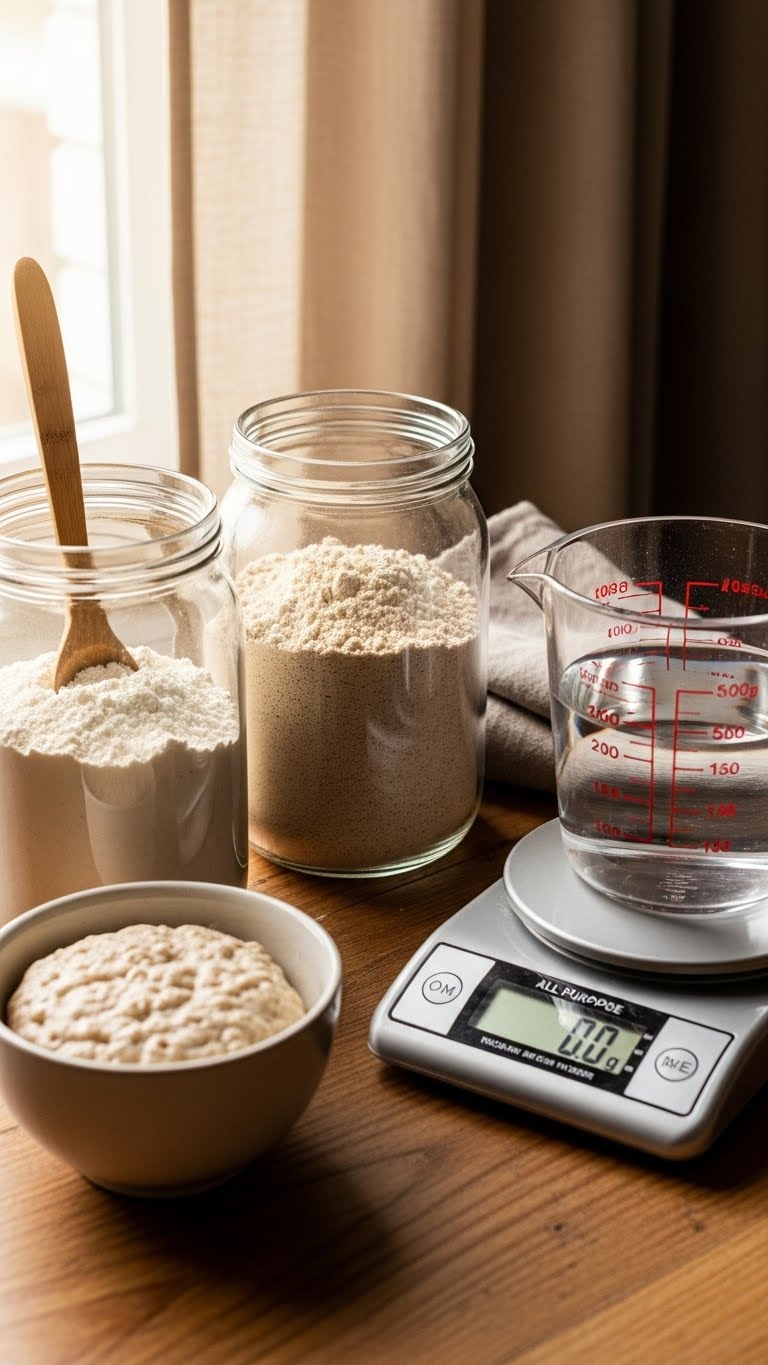
- Ingredients for a basic loaf (example batch):
- 500 g bread flour
- 350 g water (70% hydration) at room temperature
- 100 g active starter (fed and bubbly)
- 10 g salt
- Tools:
- Digital scale, large mixing bowl, bench scraper, dough-rising container, and a kitchen towel.
- Prep tips:
- Feed starter 4–8 hours before mixing so it's active and peaking.
- Use a warm spot (68–75°F / 20–24°C) in your kitchen for room-temperature bulk fermentation.
Getting Started: Mix and Autolyse
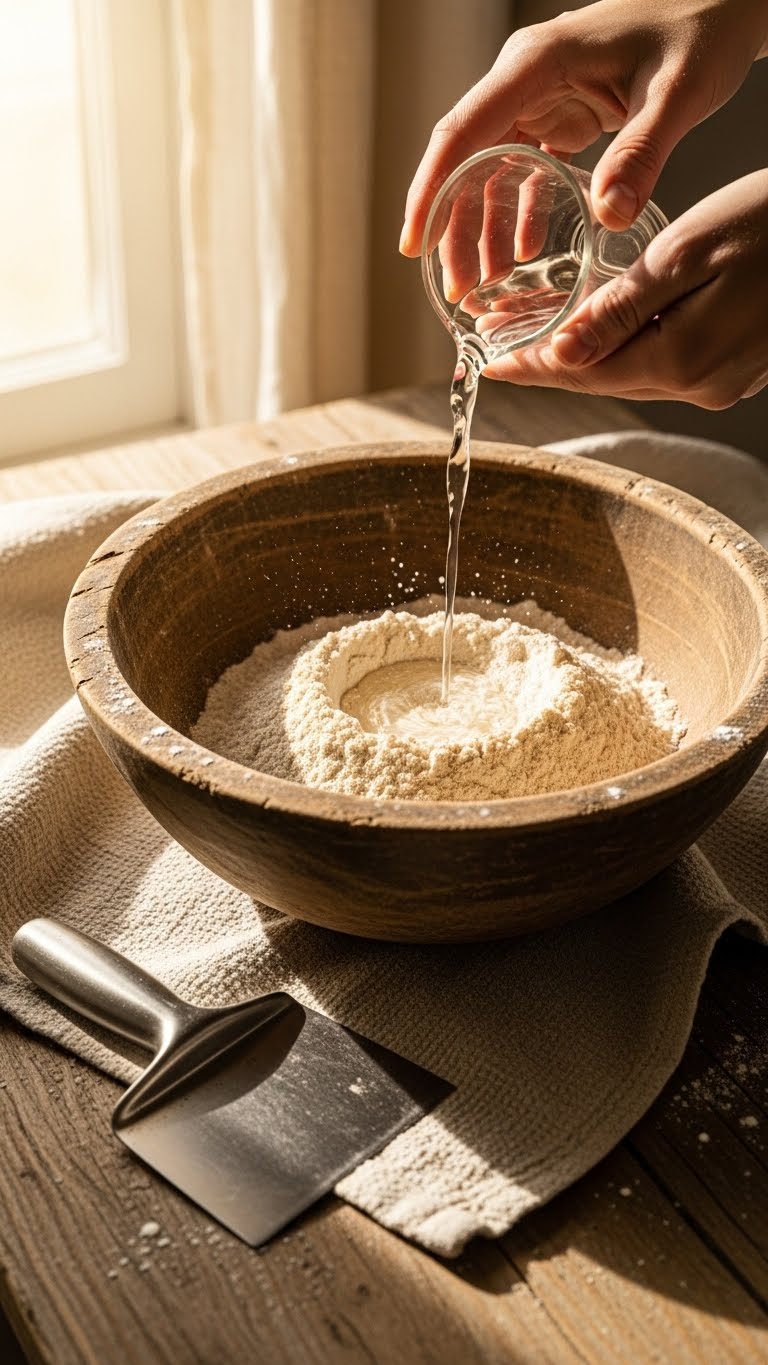
- Mix: Combine 500 g flour and 350 g water until no dry flour remains. Rest 30–60 minutes (autolyse).
- Add starter and salt: Sprinkle 10 g salt and 100 g starter, then mix until incorporated.
- Rest: Let the dough rest for 15–30 minutes before the first stretch-and-fold.
Pro tip: autolyse helps gluten develop without work. If your kitchen is colder than 68°F, expect longer bulk fermentation.
How to Bulk Ferment Sourdough at Room Temperature (Step-by-Step)
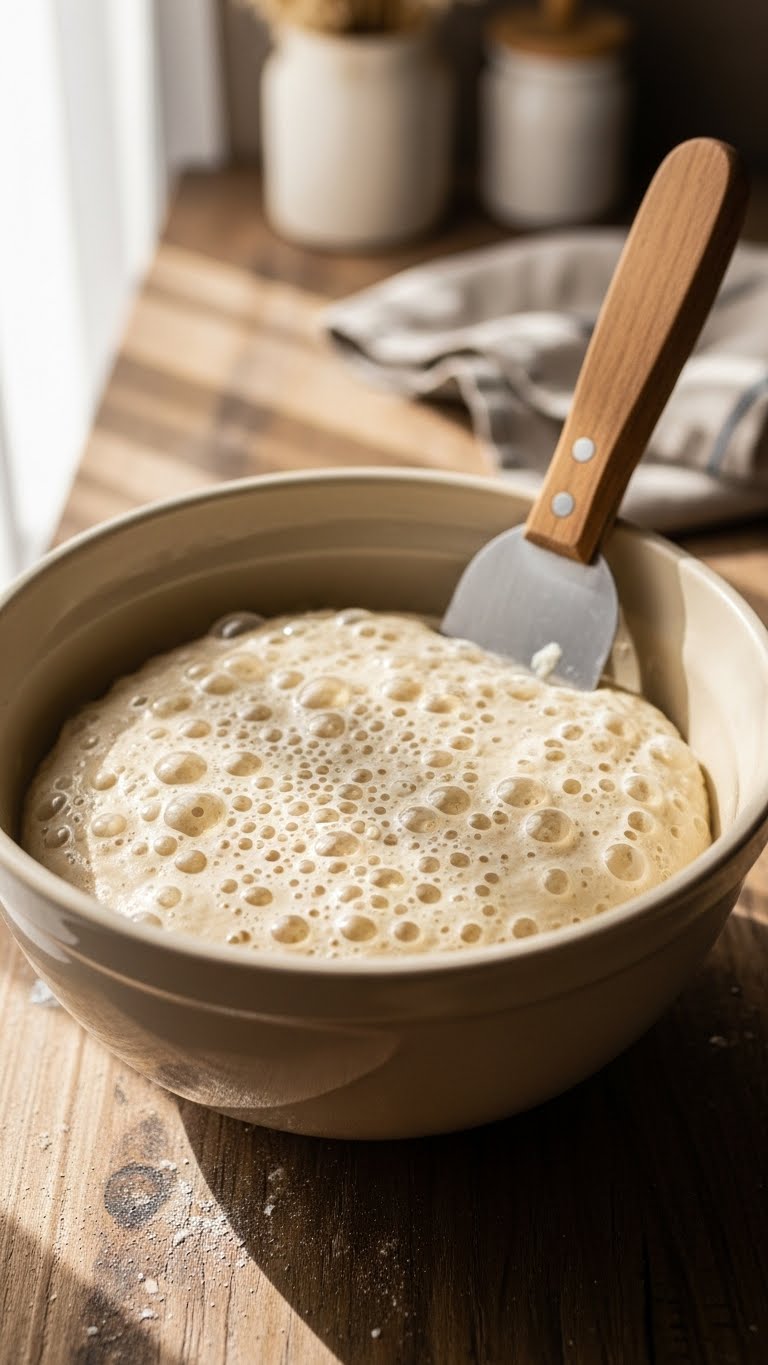
- Goal: During bulk fermentation, dough should increase by about 30–50%, be airy, and show bubbles.
- Timing guideline at 70–75°F (21–24°C): 3–4 hours total bulk ferment.
- Active schedule:
- After mixing, perform 4 sets of stretch-and-folds spaced 30 minutes apart (first 2 hours).
- After folds, leave dough undisturbed until it shows a gentle rise and surface bubbles.
- Test readiness: dough should hold a slight indentation and look airy when jostled.
- Visual cues to watch:
- Bubbles across the surface and sides of the bowl
- Dough becomes smoother and jiggles slightly
- Slightly domed top or a 30–50% volume increase
Warnings:
- Don’t wait until the dough doubles — overproofed dough will collapse.
- If your kitchen is warmer than 75°F, shorten bulk ferment to 2–3 hours.
Quick shortcuts:
- If you're short on time, use warmer water (up to 80°F) to speed fermentation, but reduce final bulk time by 20–30%.
- For a slower flavor-developing option, ferment at room temp for 2 hours then refrigerate for 8–12 hours (cold retard).
Troubleshooting Common Issues (Signs + Fixes)
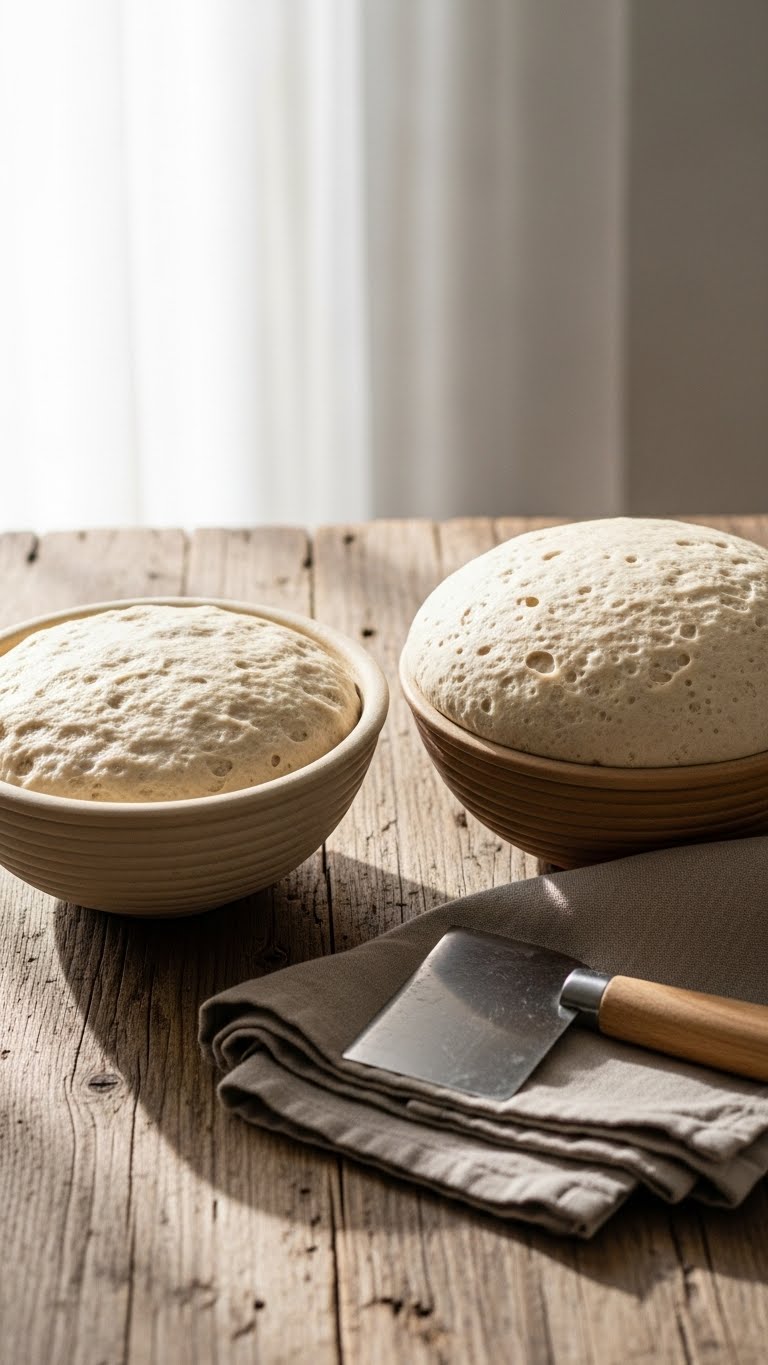
- Underproofed dough:
- Signs: tight, little rise, few bubbles.
- Fix: Give more time at room temperature and add gentle stretch-and-folds.
- Overproofed dough:
- Signs: very loose surface, large collapsed bubbles.
- Fix: Refrigerate to firm up, then shape gently and bake soon.
- Dense crumb:
- Signs: heavy, few holes.
- Fix: Check starter activity; use 100 g active starter and allow full rise during bulk ferment.
- Flat loaves after bake:
- Signs: weak oven spring.
- Fix: Ensure adequate gluten development during autolyse and folds; shape tightly.
Extra tip: Keep a fermentation log—note times, temperatures, and results. It helps you dial in timing for your specific kitchen.
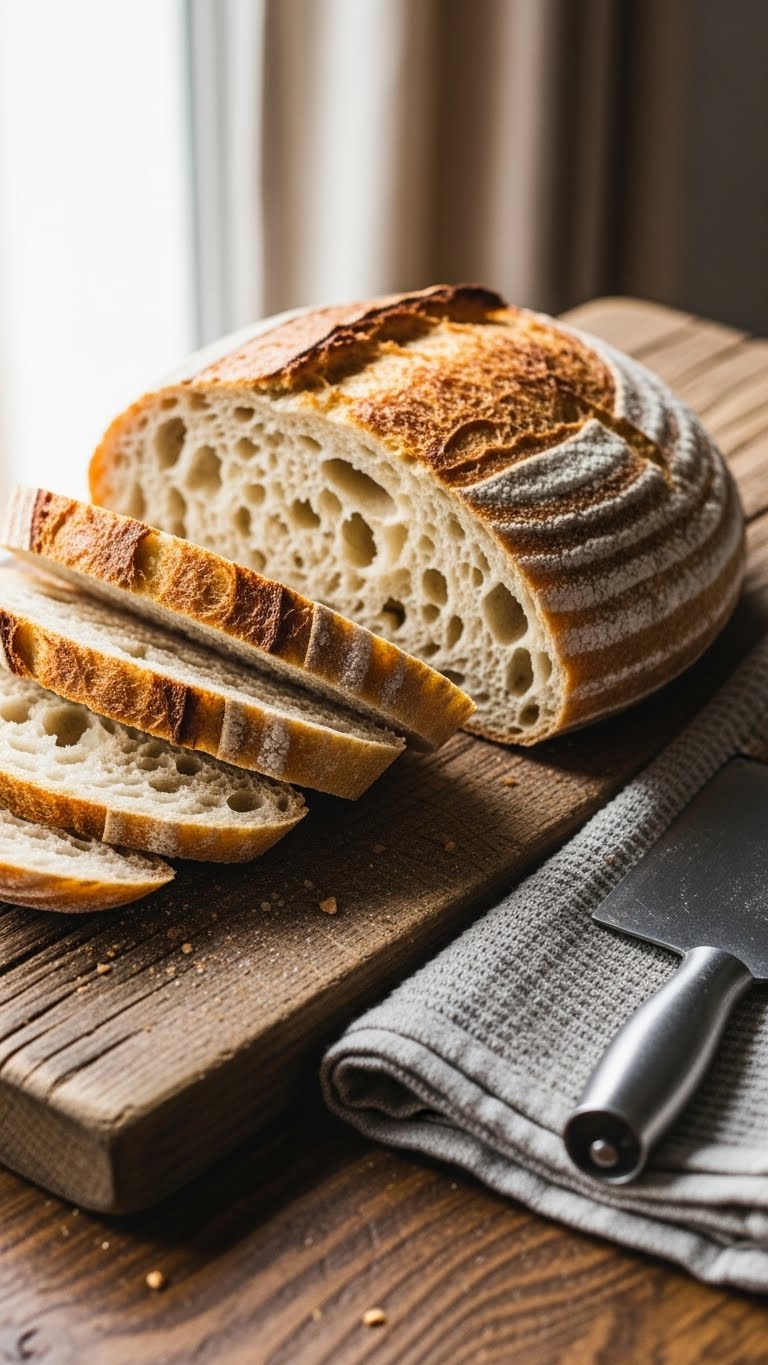
You can now bulk ferment dough at room temperature with clarity and fewer surprises. You've learned what to measure, what to feel for, and how long to wait. Pin this guide for your next bake and save the timing charts. Which tip will you try first—longer autolyse, warmer water, or stretch-and-fold timing? Ready to make this happen? Let's do it!