
You baked for hours, scored the loaf, and then cut into your sourdough only to find a gummy, dense crumb. You’re not alone — gummy sourdough crumb issues are common and fixable. This guide shows you how to fix gummy sourdough crumb issues step by step, so you get an open, springy crumb next bake.
Read on and you’ll learn the exact dough checks, timing tweaks, and baking adjustments that stop gummy crumb fast. You’ll see clear measurements, quick tests, and troubleshooting tips you can try right away.
What You’ll Need to Fix Gummy Sourdough Crumb
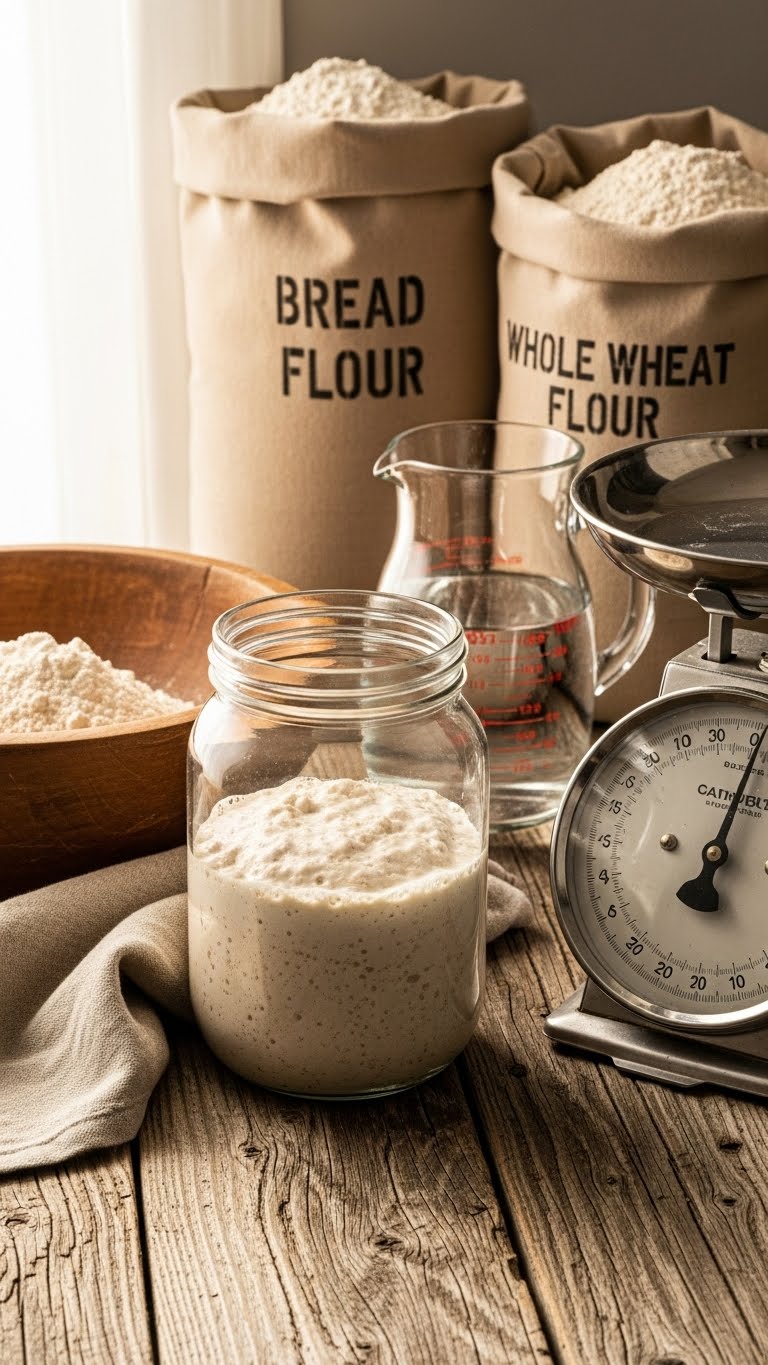
- Tools: digital scale, bench scraper, Dutch oven or baking stone, instant-read thermometer.
- Ingredients: 500 g total flour (e.g., 400 g bread flour + 100 g whole wheat), 360–390 g water, 100 g active starter (100% hydration), 10 g salt.
- Quick checks: mature starter (bubbled and jiggly), room temperature proofing spot (about 75°F / 24°C).
Tips:
- If your starter is sluggish, feed it 2–3 times before baking.
- Use a scale for accuracy — hydration is the main driver of gummy crumb.
Get the Dough Right: Hydration, Autolyse, and Strength
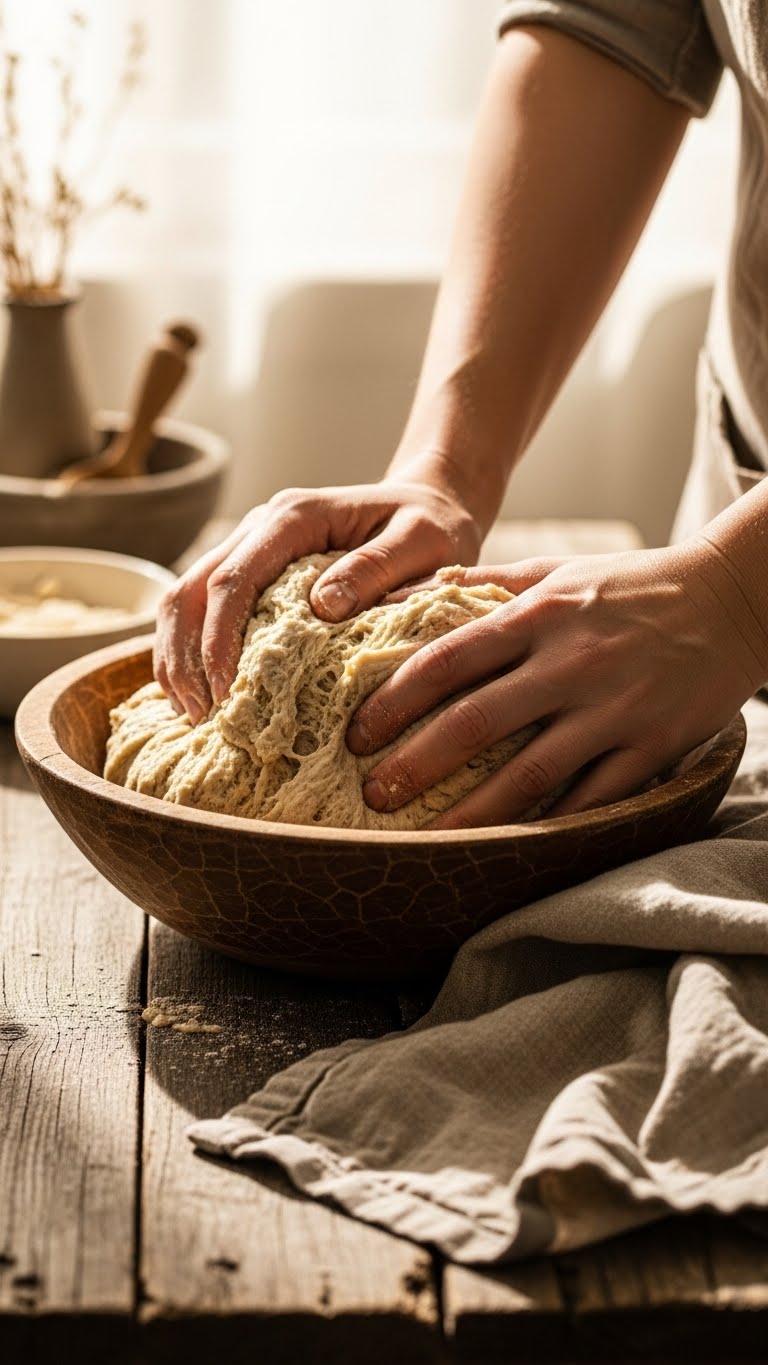
Hydration tweaks often fix gummy crumb. Too much water without structure leaves a wet core. Too little water and underdevelopment can trap moisture.
- Mix flour and 360 g water (72% hydration) and autolyse 30–60 minutes.
- Add 10 g salt and 100 g starter; mix until incorporated.
- Develop the dough with stretch-and-folds every 30 minutes for 2 hours (4–6 sets).
Watch the dough: it should feel slightly sticky but hold shape. If it’s very slack after autolyse, reduce water by 10–20 g next time. If it resists stretching, give extra folds.
Pro tips:
- Use gentle but confident folds; overworking can heat the dough.
- Aim for a dough windowpane: a thin translucent stretch without tearing.
Bake and Handling Steps to Avoid Gummy Crumb
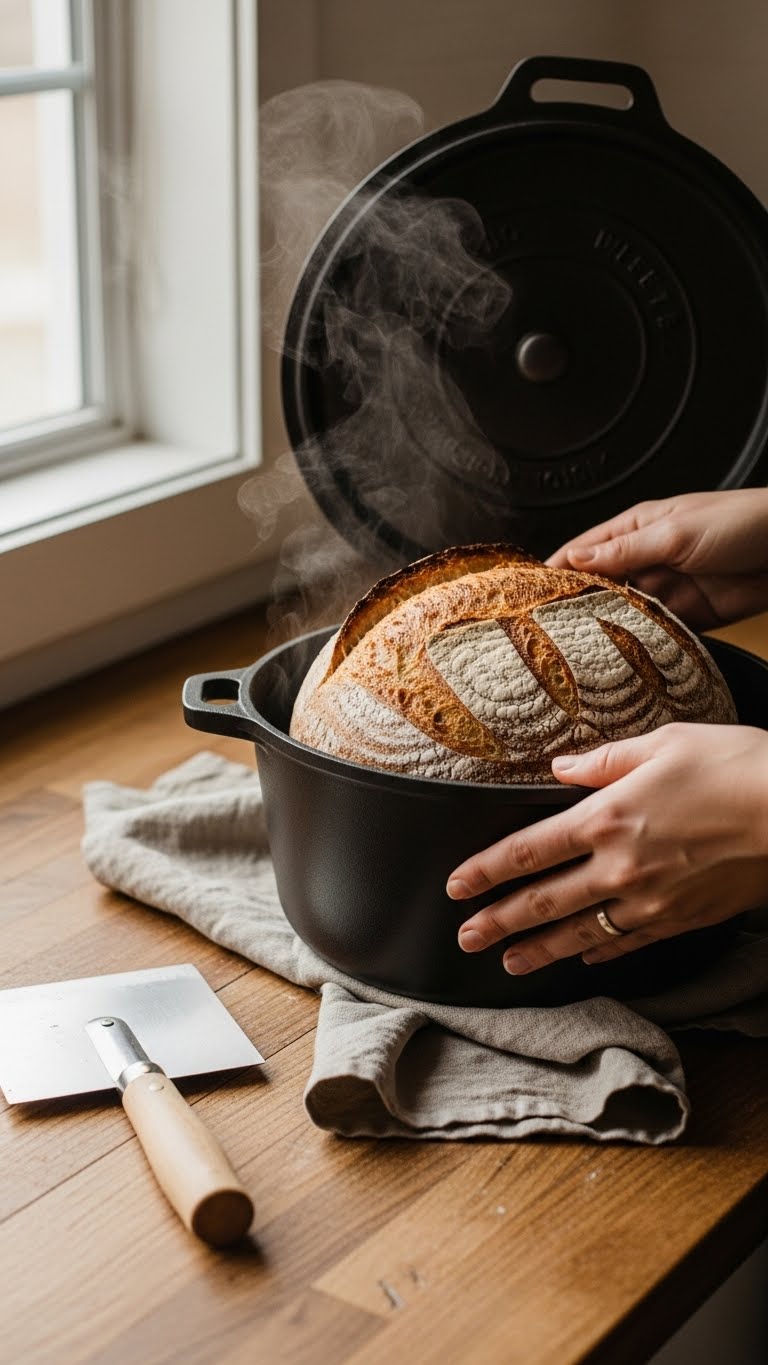
Baking technique affects the final crumb moisture. Follow these steps:
- Cold-proof: after shaping, proof in the fridge 10–16 hours to tighten crumb structure.
- Preheat oven and vessel to 500°F / 260°C for at least 45 minutes.
- Score and bake covered for 20 minutes at 500°F, then lower to 450°F / 230°C and bake uncovered 20–25 minutes until crust is deep brown.
- Check doneness: internal temp should hit 205–210°F / 96–99°C.
Important warnings:
- Underbaking causes gummy crumb. Use an instant-read thermometer.
- Opening the oven too often drops temperature and prolongs baking.
Cooling matters: cool the loaf on a rack at least 2 hours before slicing. Cutting too early traps steam and yields a gummy interior.
Troubleshooting Gummy Sourdough Crumb Issues
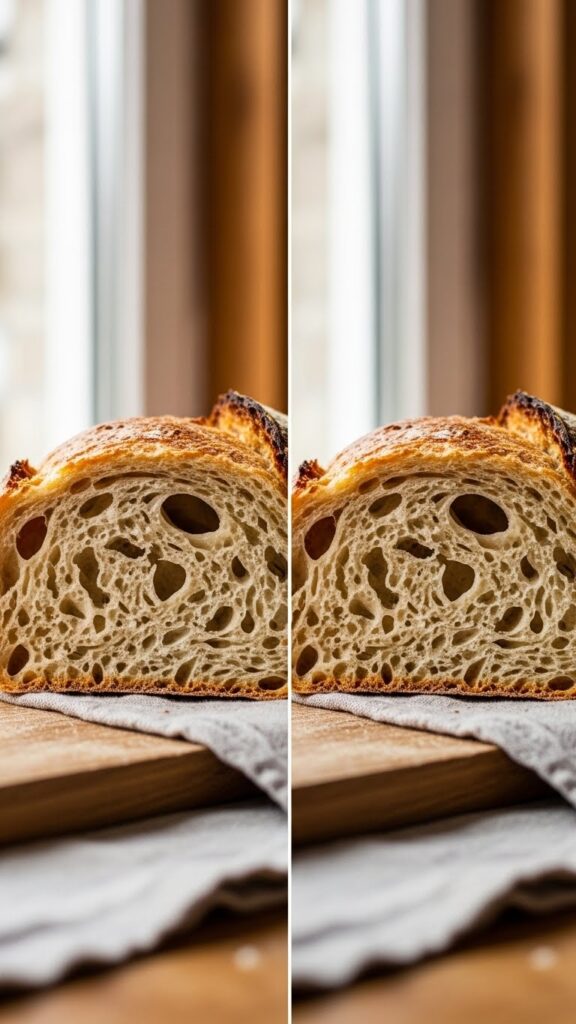
Common causes and fixes:
- Gummy crumb + shiny interior: likely underbaked. Bake longer and check internal temp.
- Tight, gummy crumb with dense texture: likely underfermented. Increase bulk ferment by 15–30 minutes or warmer proofing spot.
- Very wet, gummy feel despite bake: dough overhydrated for your flour or underdeveloped gluten. Reduce water 10–20 g or add extra folds.
- Starter issues: weak starter creates poor rise, causing gummy crumb. Feed twice before baking.
Quick fixes for a partially gummy loaf:
- Slice thin and toast or use for sandwiches.
- Re-bake slices briefly in a hot oven to dry slightly, but avoid wasting good bread.
Keep notes: record hydration, fold count, proof temperatures, and bake times. Small changes add up.
You now have a clear plan for how to fix gummy sourdough crumb issues and what to test next bake. Try one change at a time so you can see its effect. Pin this guide for your next baking session and save it to share with friends who bake sourdough. Which tip will you try first? Ready to make this happen? Let’s do it!