
You love sourdough's tangy crumb, but sometimes you want a sweeter finish without masking that sour note. Learning how to glaze lemon sourdough bread for extra sweetness gives you a glossy, citrus-kissed crust that balances tang and sugar. In this guide you'll get a simple glaze recipe, step-by-step glazing instructions, and quick tips so your glaze sets smooth and shiny.
Follow these steps and you'll turn a rustic loaf into a bright, pin-worthy treat ready for breakfast or tea.
What You'll Need to Glaze Lemon Sourdough Bread
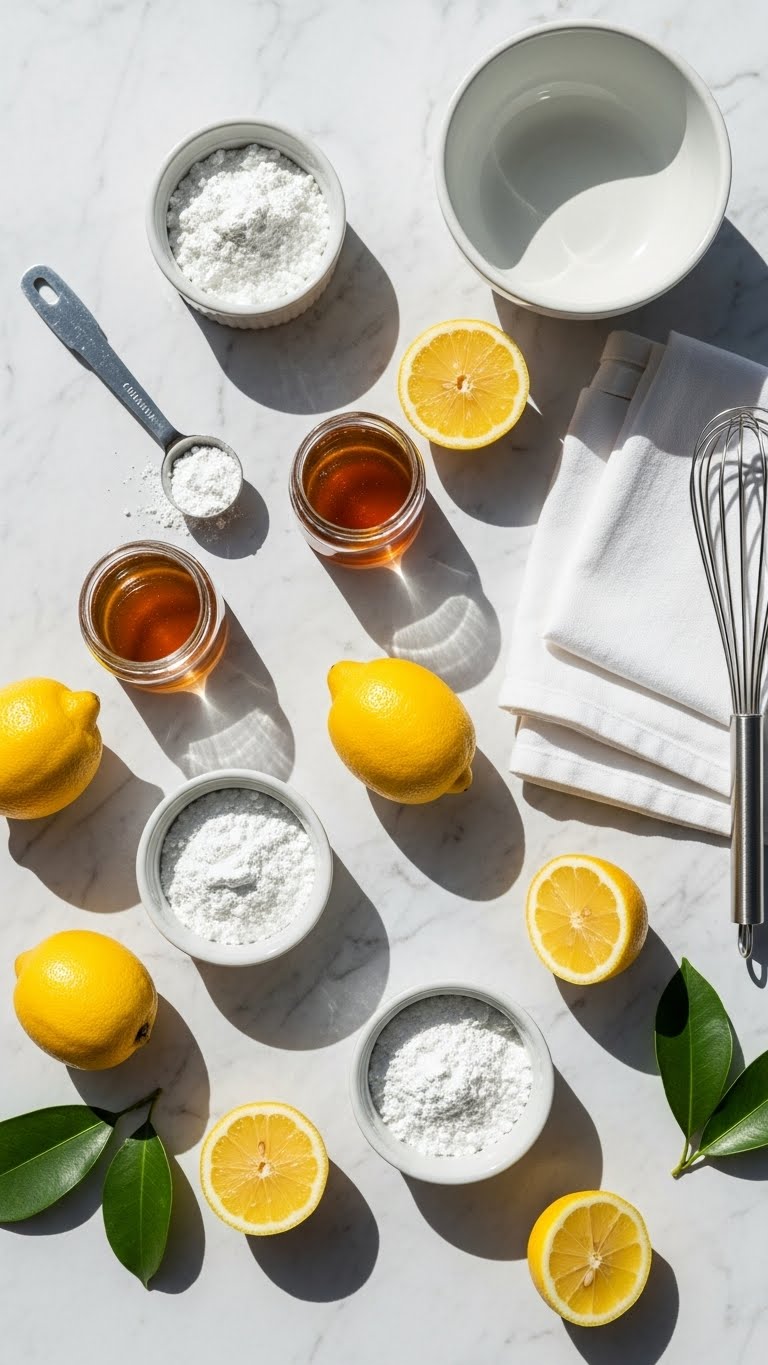
- 1 cup powdered sugar (sifted)
- 2–3 tablespoons fresh lemon juice
- 1 teaspoon lemon zest (optional, for texture)
- 1–2 teaspoons milk or water (to thin)
- Optional: 1 tablespoon honey for deeper sweetness
- Tools: small bowl, whisk, brush or spoon, cooling rack
Tips:
- Use fresh lemon juice for the brightest flavor.
- If your powdered sugar is clumpy, sift it for a smooth glaze.
- Make slightly more glaze than you think; you can always drizzle extra.
Preparing Your Bread and Glaze
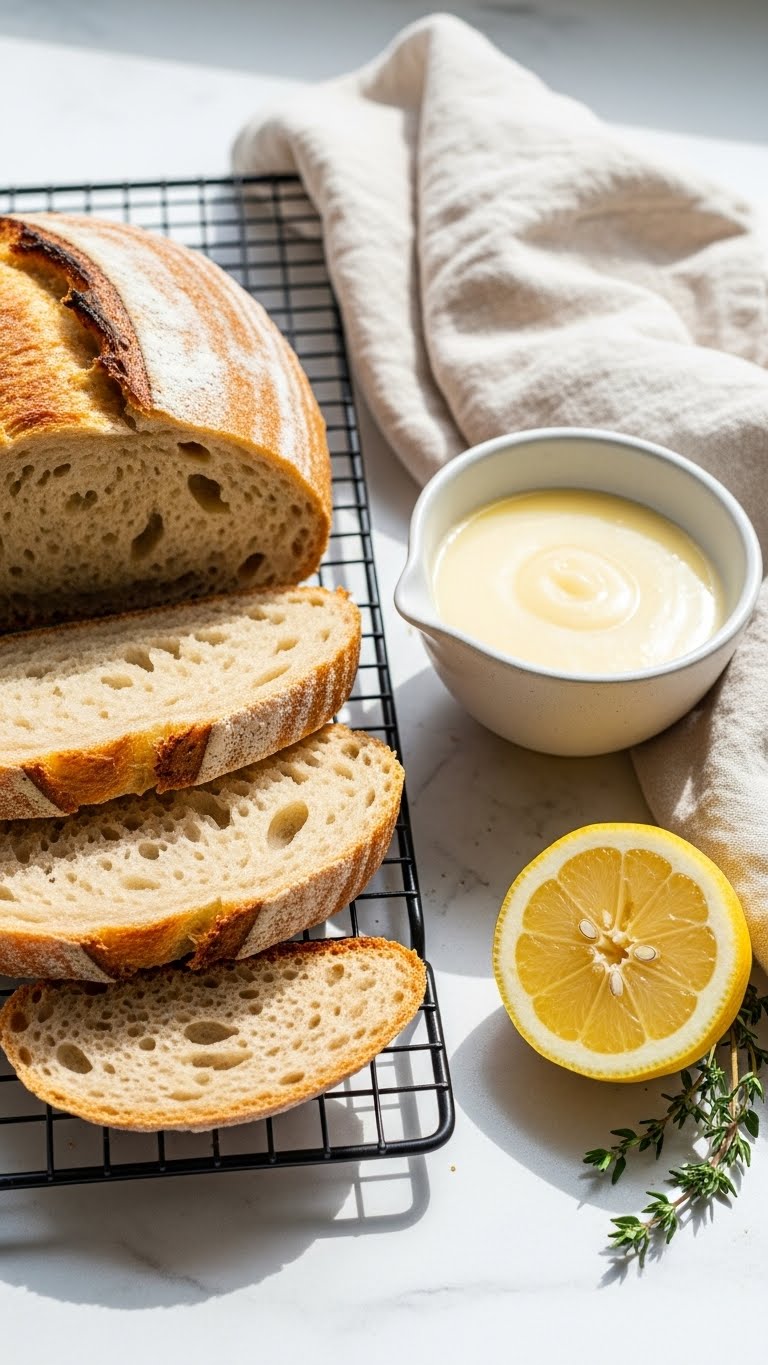
Let the sourdough cool until it's warm, not hot. If the loaf is too warm the glaze will melt and run off too fast.
Make the glaze:
- Whisk 1 cup sifted powdered sugar with 2 tablespoons fresh lemon juice.
- Add 1 teaspoon lemon zest and 1–2 teaspoons milk to reach spreading consistency.
- Stir in 1 tablespoon honey if you want more depth.
Consistency: the glaze should be thick but pourable. It should coat the back of a spoon. If too thick, add ½ teaspoon of lemon juice or milk. If too thin, add 1 tablespoon powdered sugar.
Warnings:
- Don’t use boiling liquid; it will dissolve the sugar unevenly.
- Avoid over-thinning; thin glaze runs off the loaf and pools.
Step-by-Step: How to Glaze Lemon Sourdough Bread for Extra Sweetness

- Place the loaf on a cooling rack over a baking sheet to catch drips.
- Start in the center and pour 2–3 tablespoons of glaze, letting it spread.
- Use a small spatula or butter knife to gently spread glaze toward the edges.
- For thicker edges, brush additional glaze on the sides.
- If you like drips, tilt the loaf slightly so glaze naturally runs down.
Tips:
- For a glossy finish, apply a second thin coat after the first sets, about 10–15 minutes later.
- If you want a textured look, sprinkle a little lemon zest or finely chopped pistachios immediately after glazing.
- Work quickly but gently; glaze sets faster on cooler crusts.
Serving, Storage, and Quick Troubleshooting

Serving:
- Let glaze set 10–20 minutes before slicing for cleaner cuts.
- Serve at room temperature or lightly toasted for crunch.
Storage:
- Store glazed bread wrapped loosely in parchment and then plastic for 2 days at room temperature.
- For longer storage, freeze slices with glaze separated by parchment. Thaw and toast to serve.
Troubleshooting:
- Glaze too runny? Add 1–2 tablespoons powdered sugar and whisk.
- Glaze cracked after setting? You may have applied too thickly or chilled it. Let it sit at room temperature briefly.
- Not sweet enough? Brush a light honey wash (1 tsp honey + 1 tsp water) over the set glaze.
Creative variations:
- Swap lemon for orange juice and zest for a sweeter citrus note.
- Add vanilla extract (¼ tsp) for warmth.
- Mix in a pinch of salt to balance sweetness.
Your glazed sourdough should now have a bright, shiny finish and a gentle lemon sweetness that complements the tangy crumb. Save time by making glaze while the loaf cools, and remember that small adjustments to consistency change how the glaze behaves.
Enjoy the shine, the scent of lemon, and the contrast between crust and tender crumb. Pin this guide for your next brunch and share with friends who love baking—Which glaze trick will you try first?