
You love bread that tastes like history, but einkorn can feel fussy. If you've tried baking einkorn sourdough and ended up with dense loaves or over-browned crusts, this guide helps you get consistent, flavorful results.
You’ll learn how to mix a friendly einkorn sourdough using ancient grains, manage hydration, and handle the dough gently. Follow these step-by-step tips and exact measurements to bake a soft, open-crusted loaf that’s pin-worthy and pantry-friendly.
What You'll Need (Ingredients + Tools)
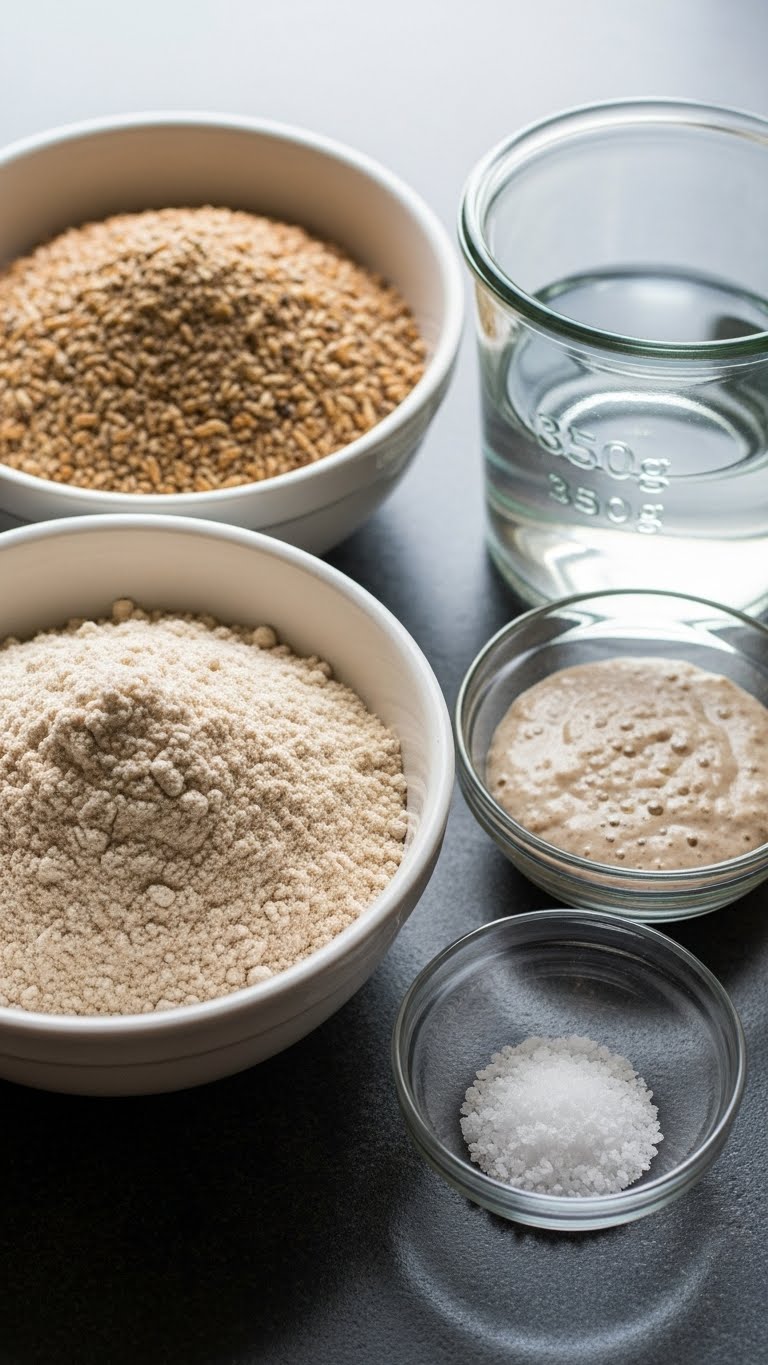
- Ingredients:
- 400g einkorn flour
- 100g mixed ancient grains (spelt or emmer)
- 350g water (70% hydration)
- 100g active einkorn starter
- 10g fine sea salt
- Optional: 30g seeds or 20g olive oil
- Tools:
- Dutch oven or baking stone
- Banneton or bowl lined with linen
- Bench scraper and digital scale
- Instant-read thermometer
Tip: Use an active starter fed 4–8 hours before mixing. For easier handling, keep hydration near 70% with einkorn.
Preparing Your Ingredients (Autolyse + Starter)
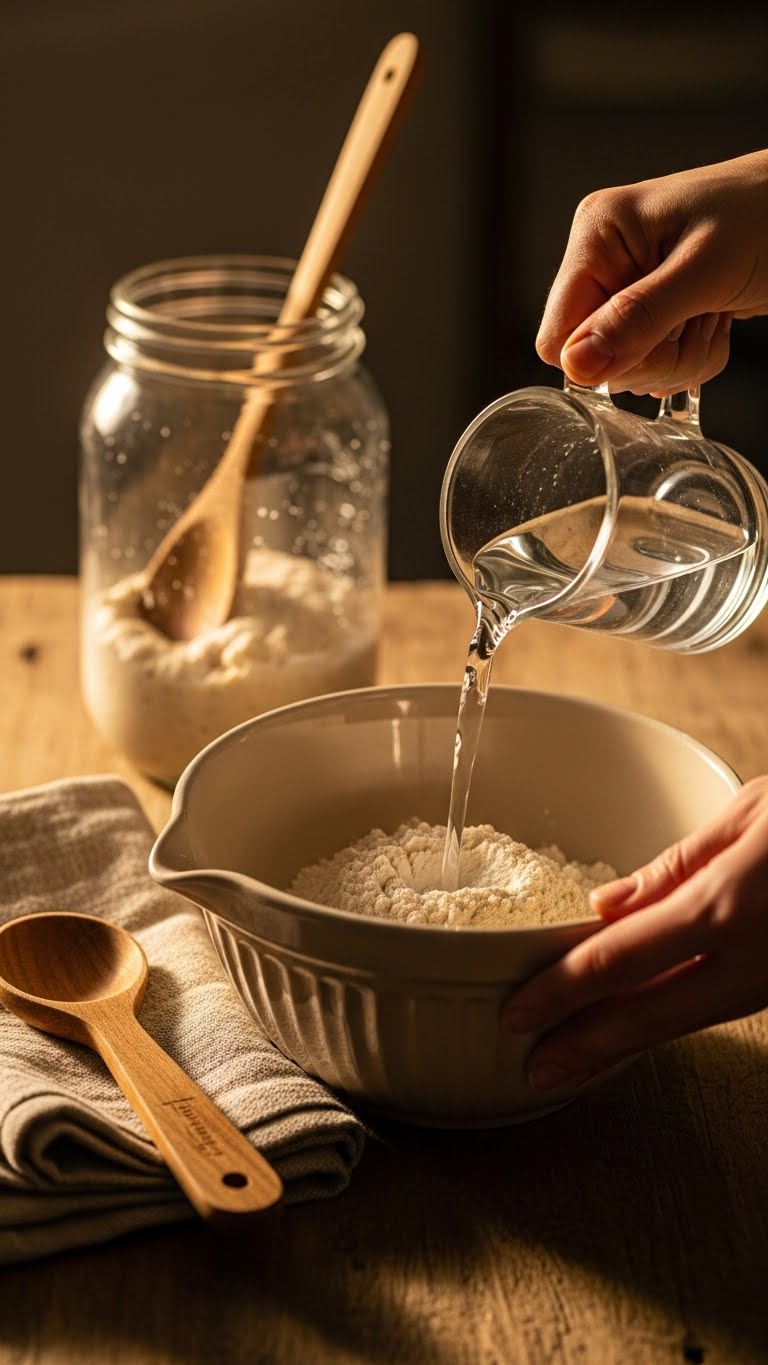
- Autolyse: Mix 500g total flour (einkorn + ancient grains) with 350g water until no dry flour remains. Rest 30–45 minutes. Autolyse softens grain and reduces kneading.
- After autolyse, sprinkle 10g salt and 100g starter over the dough. Pinch and fold to incorporate gently.
- Avoid heavy kneading—einkorn gluten is fragile. Use gentle folds to develop structure.
Pro tip: If your dough feels sticky, wait 10 minutes and fold again rather than adding more flour.
Step-by-Step Instructions (Mixing, Bulk Ferment, Shaping)
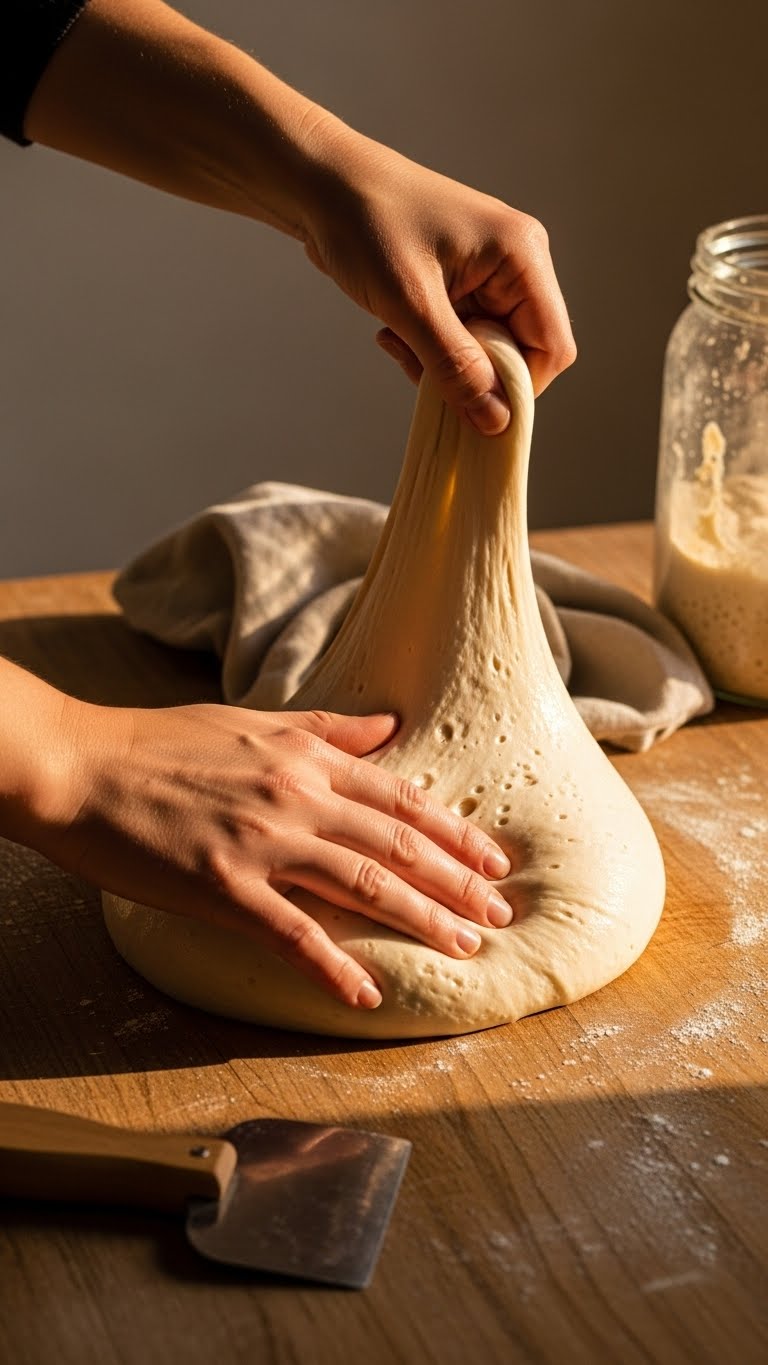
- Bulk Ferment:
- Do 3 gentle stretch-and-folds every 30 minutes during the first 90 minutes.
- Total bulk time: 2–3 hours at room temperature (about 75°F / 24°C).
- Pre-shape: Turn dough onto the bench, shape loosely, rest 20 minutes.
- Final shape: Tighten loaf shape and place seam-side up in a well-floured banneton or linen-lined bowl.
Warning: Einkorn rises faster and can overproof. Watch for a soft, jiggly dough that holds a slight dome.
Proofing, Baking, and Storage (Finish + Serve)
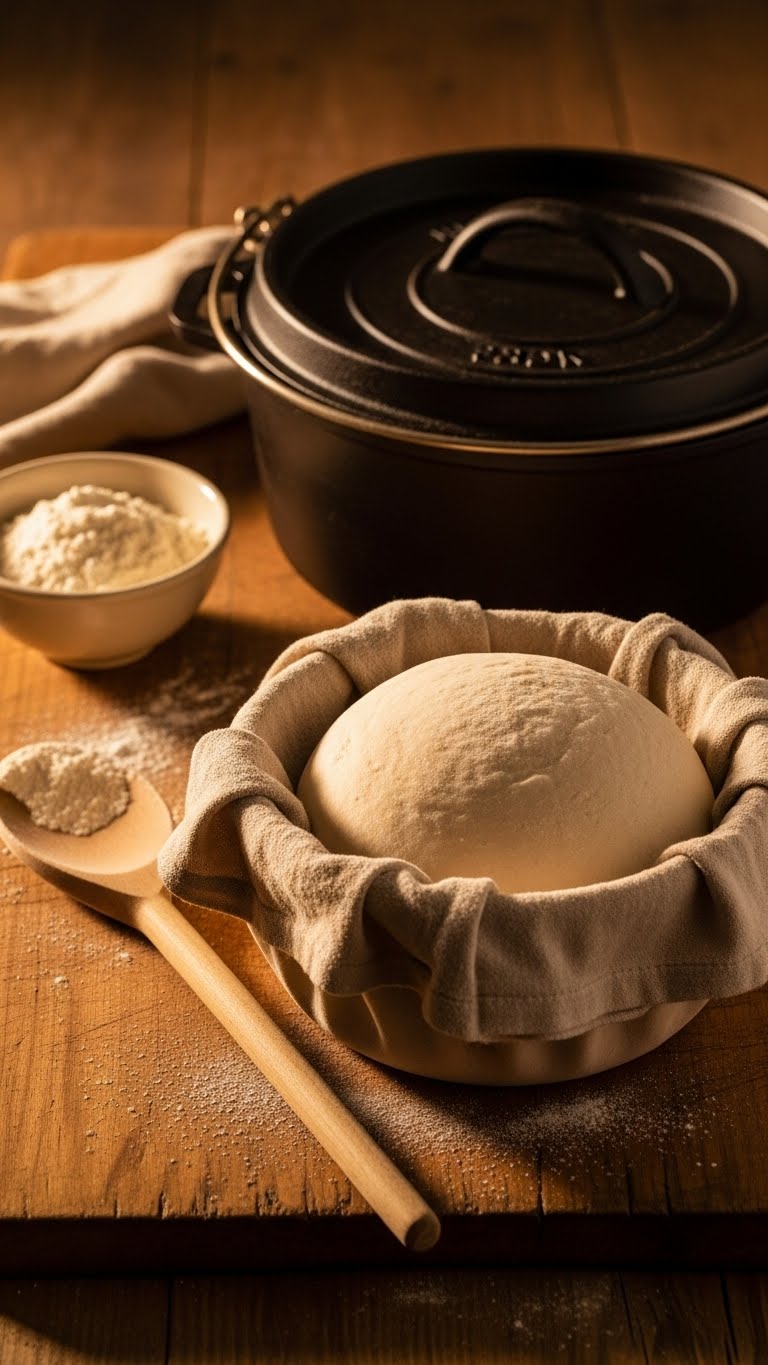
- Cold proof option: Refrigerate shaped loaf for 8–12 hours—this improves flavor and handling.
- Oven: Preheat to 450°F (230°C) with Dutch oven inside for 45 minutes.
- Bake:
- Score loaf, place seam-side down into preheated Dutch oven.
- Bake 20 minutes covered, then 15–20 minutes uncovered. Reduce uncovered time if crust browns too fast.
- Target internal temperature 200–205°F (93–96°C).
- Cool: Let the loaf cool at least 2 hours before slicing.
Storage and serving tips:
- Keep at room temp in a paper bag for 2–3 days.
- For longer storage, slice and freeze. Toast straight from frozen.
- Reheat: 5–8 minutes in a 350°F oven to refresh crust.
Troubleshooting quick fixes:
- Dense crumb? Use a shorter proof or warmer bulk ferment.
- Wet, sticky dough? Try a slightly shorter autolyse or dust the bench lightly.
- Too dark crust? Lower oven by 15–25°F for the last 10 minutes.
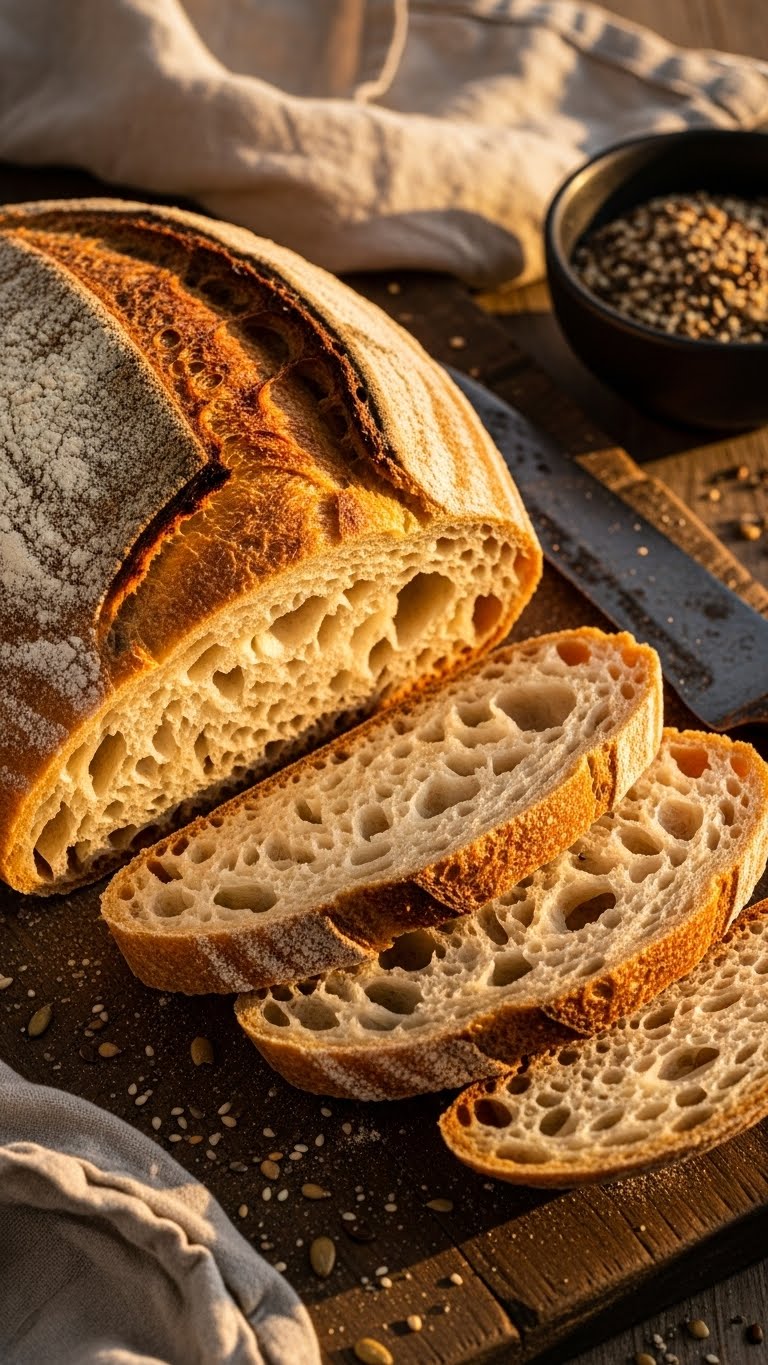
You just learned how to make reliable, delicious einkorn sourdough with ancient grains—without overworking or over-browning. Pin this guide for your next baking day and you'll have clear steps to follow when you want a wholesome, cozy loaf. Which tip will you try first: cold proofing or gentle stretch-and-folds? Save this and share with friends who love real bread!