
You want a loaf of rye sourdough bread that tastes like the bakery down the street, with a deep, tangy crumb and a chewy crust. This guide shows exactly how to coax rich flavor from a rye-heavy dough using simple steps you can follow tonight.
You'll learn how to prepare your starter, manage hydration and fermentation, shape and score for a great oven spring, and store the loaf so the flavor lasts. With precise times, measurements, and pro tips, you'll bake more confident rye sourdough bread every week.
What You'll Need for Rye Sourdough Bread
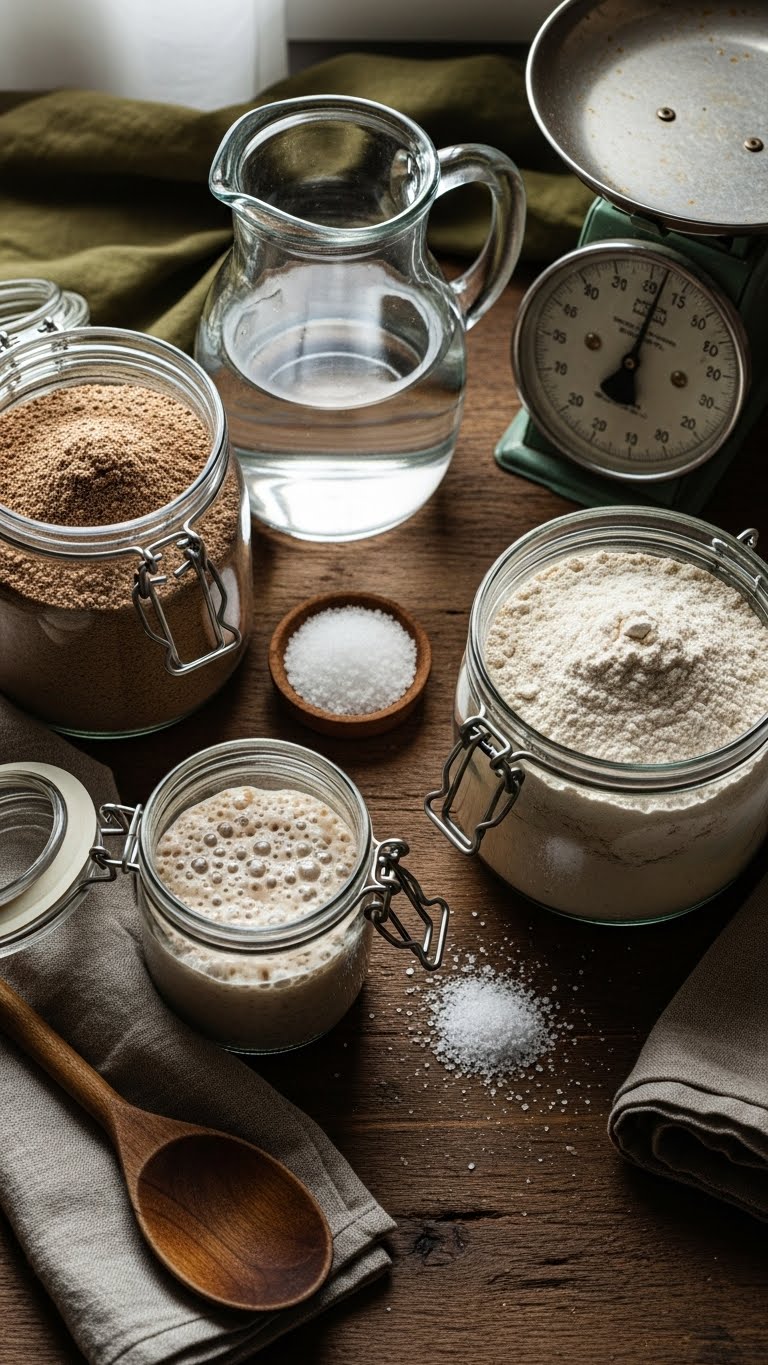
- Ingredients
- 500g mixed flour (300g rye, 200g bread flour)
- 375g water (75% hydration)
- 100g active sourdough starter (fed and bubbly)
- 10g sea salt
- Tools
- Digital scale, bench scraper, proofing basket (banneton) or bowl, Dutch oven or baking stone
- Prep time: 20 minutes active, plus fermentation as below
- Total time: 12–18 hours depending on room temperature
Tip: Using a portion of dark rye boosts flavor and aroma. If you want a milder tang, swap 50g rye for additional bread flour.
Preparing Your Starter and Ingredients
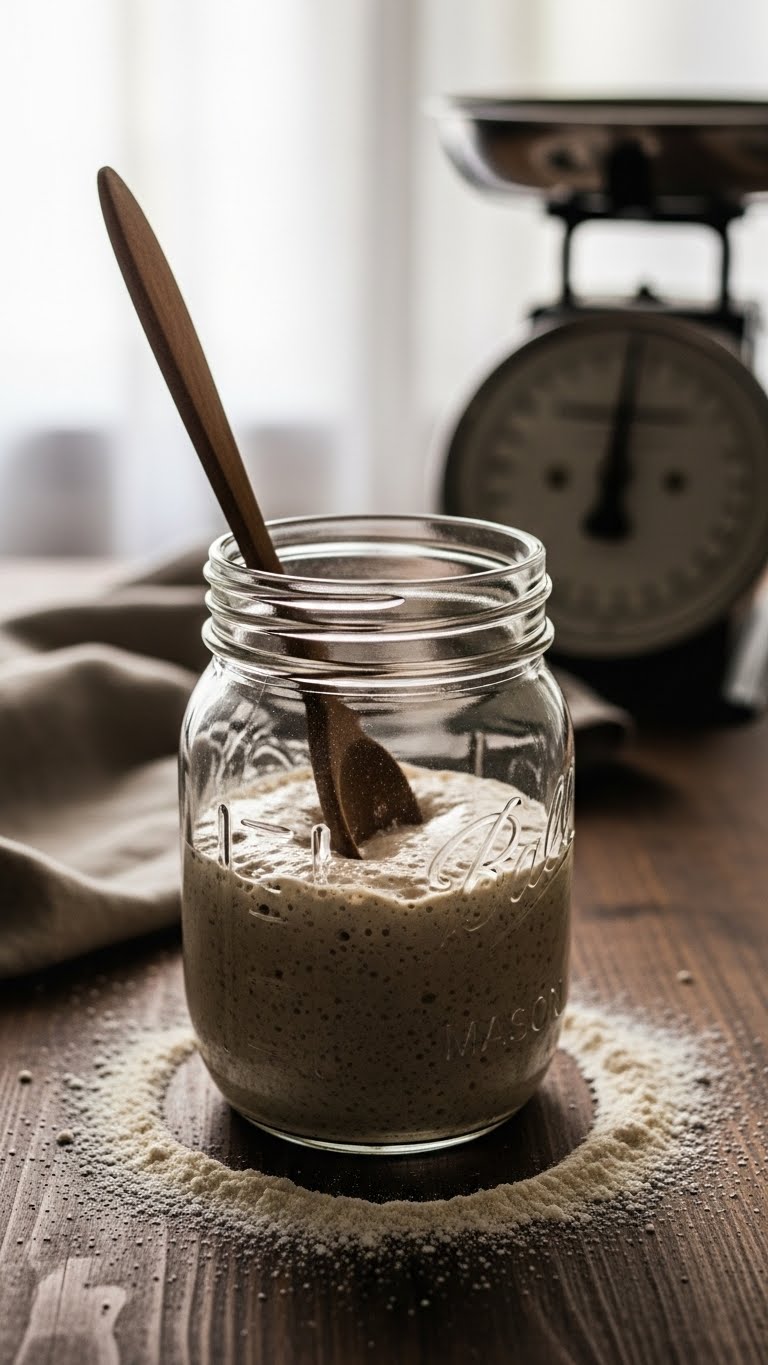
- Feed your starter 4–8 hours before mixing so it's at peak activity.
- Measure by weight for consistent results; flour can vary by scoop.
- Warm water to room temperature (around 75°F / 24°C) to encourage fermentation.
- Mix flours and water first (autolyse) for 30–60 minutes to hydrate rye and develop flavor.
Tip: Rye absorbs water quickly and stays sticky. Resist adding more flour during autolyse—this period builds flavor and structure.
Step-by-Step Rye Sourdough Bread Instructions
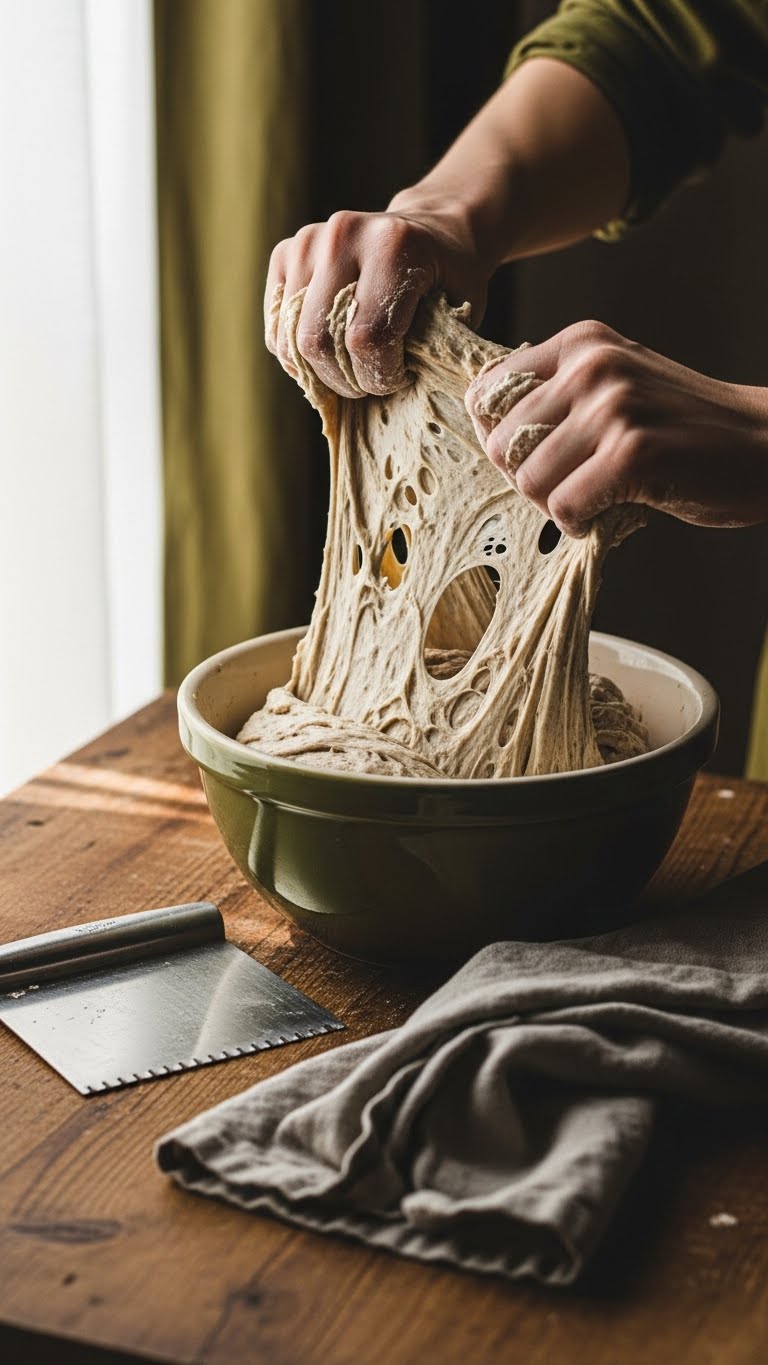
- Mix
- Add 100g active starter to the autolysed dough and mix until roughly combined.
- Add 10g salt and mix thoroughly.
- Bulk fermentation (room temp ~72°F / 22°C)
- Perform 4–6 sets of stretch-and-folds every 30 minutes during the first 3 hours.
- Let dough rest and rise until 20–30% volume increase (can take 3–6 hours).
- Pre-shape and bench rest
- Gently pre-shape into a round, rest 20 minutes.
- Final shape and proof
- Shape tightly and place seam-side up in a floured banneton.
- Proof in the fridge 8–14 hours for deep flavor (cold retardation).
- Bake
- Preheat Dutch oven to 500°F / 260°C for 45 minutes.
- Score and bake covered 20 minutes, then 20–25 minutes uncovered at 450°F / 230°C until crust is dark and hollow-sounding.
Pro tricks:
- Cold overnight proof deepens flavor and improves slicing texture.
- Use a lame or sharp knife for confident scoring; shallow scores won't expand well.
- Avoid over-proofing: dough that collapses after a light poke is past peak.
Troubleshooting, Serving, and Storage
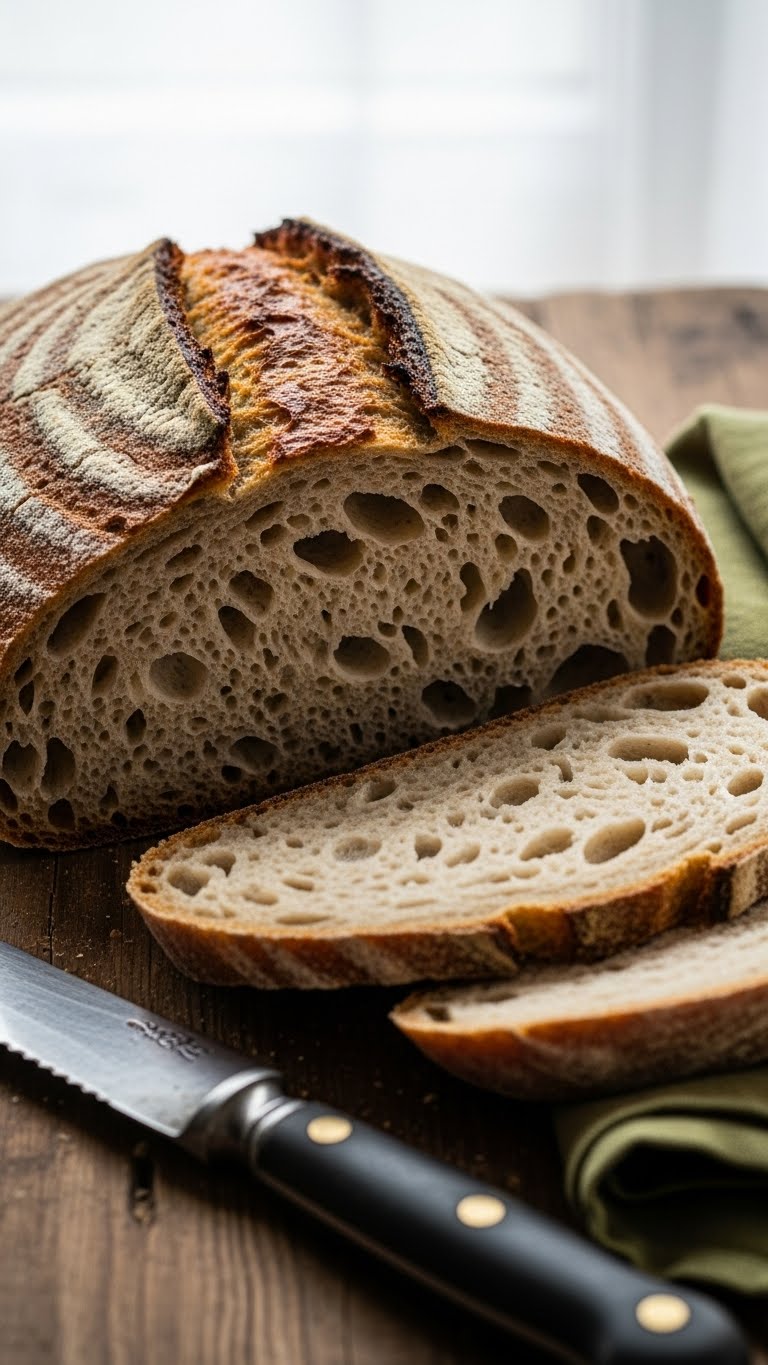
Common issues and fixes:
- Dense crumb: likely under-fermented. Let bulk go longer or warm the room slightly.
- Gummy center: insufficient bake or too much rye. Bake longer or reduce rye by 25–50g next time.
- Weak rise: starter not active—feed twice before baking day.
Serving and storage:
- Cool fully (at least 2 hours) before slicing to set crumb.
- Store wrapped in linen at room temperature for 2–3 days.
- For longer storage, slice and freeze in airtight bags up to 3 months. Toast slices straight from frozen.
Variation ideas:
- Add 25g caraway seeds for traditional flavor.
- Replace 50g water with stout beer for malty notes (reduce proof slightly).
A final tip: try one change at a time—starter amount, hydration, or rye ratio—so you know which tweak changes the flavor.
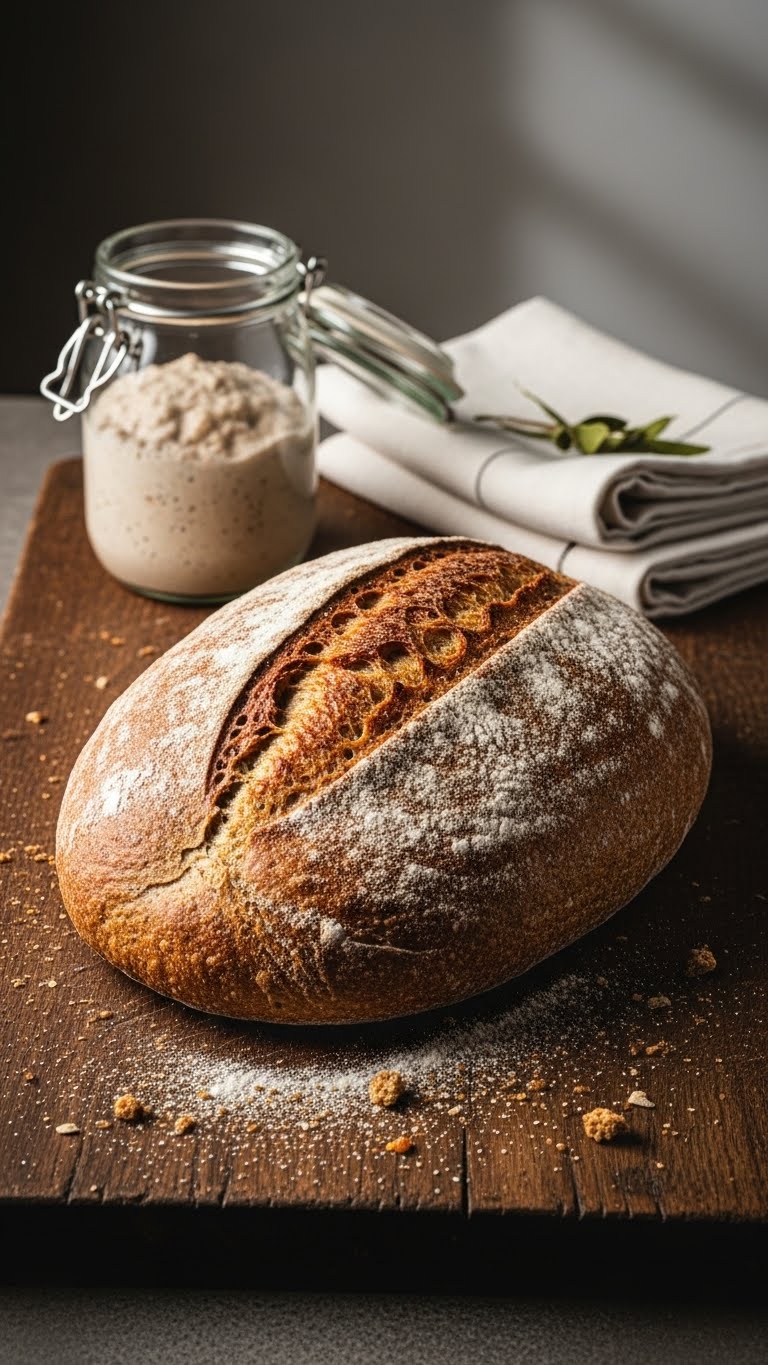
Baking rye sourdough bread is a repeatable mix of simple steps plus timing and feel. Once you master the starter rhythm and cold retardation, you’ll get reliably deep, tangy flavor and a crust that sings. Pin this guide for your next baking day, save it for later, and share with friends who want a better rye loaf. Which tip will you try first?