
You love the smell of fresh sourdough, but the tang sometimes overpowers the crumb. If you’re searching for clear techniques on how to make sourdough bread less sour tasting, this guide gives you simple, repeatable changes you can use right away. You’ll learn how to tame starter acidity, control fermentation, and tweak bake times so your loaf tastes milder without losing sourdough character.
Follow these steps and you’ll get a gentler, balanced loaf that still has great crust and crumb. Read on to find ingredient ratios, exact timings, and quick troubleshooting for less sour sourdough.
What You'll Need (Ingredients + Tools)
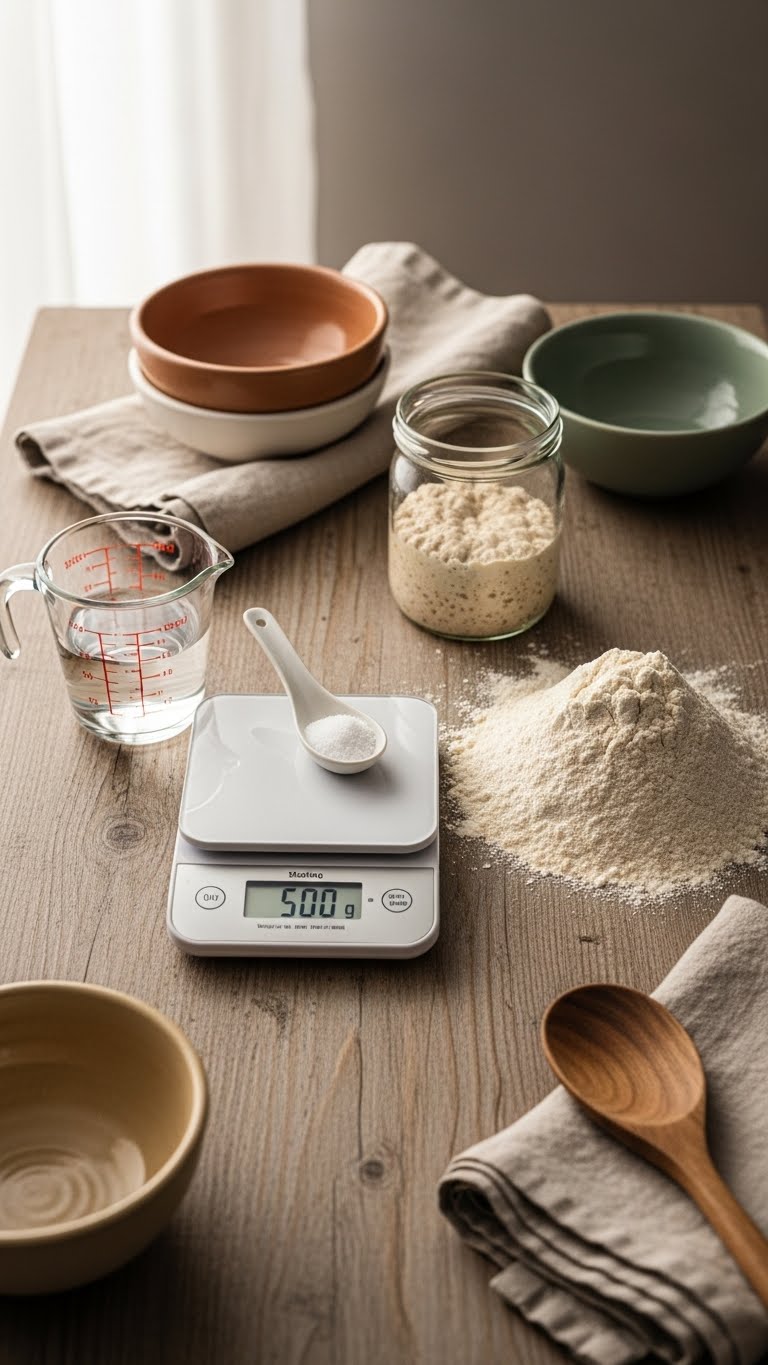
- Starter (active, fed within 4–8 hours)
- 500 g bread flour, or a mix (e.g., 80% bread flour + 20% whole wheat)
- 350–375 g water (70–75% hydration) — adjust for flour absorption
- 10 g fine sea salt
- Basic tools: digital scale, dough bowl, bench scraper, banneton or bowl lined with linen
Quick tips:
- Use a mild-fed starter (fed at least twice recently) for less acidity.
- Choose less whole grain if you want a milder tang—whole grains intensify sourness.
Feed and Tame Your Starter (Adjust Starter Acidity)
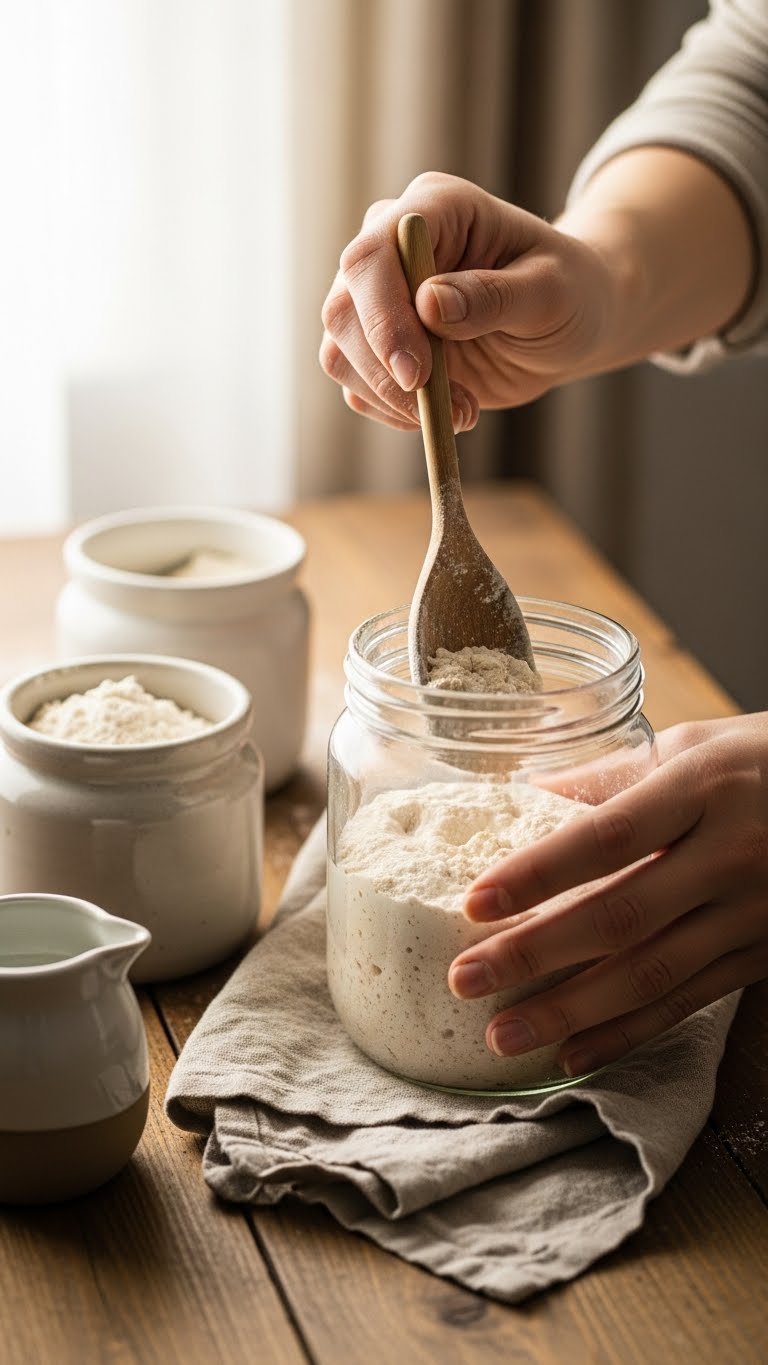
To make sourdough bread less sour tasting, you start with the starter. A very acidic starter produces a tangy loaf.
- Feed schedule:
- Refresh starter 1–2 times before baking.
- Use a 1:4:4 or 1:5:5 starter-to-flour-to-water ratio to dilute acidity.
- Temperature matters: feed and ferment starter at 24–26°C (75–79°F) to promote lactic acid (milder) over acetic acid (sharper).
- Timing:
- Use starter when it’s active and doubled but hasn’t started collapsing.
- For milder flavor, prefer a younger, peak starter (4–6 hours after feeding) rather than an overnight, very ripe starter.
Warning: Avoid using an overripe, strongly hooch-y starter if you want less sourness.
Control Fermentation Times and Temperatures (Technique Step-by-Step)
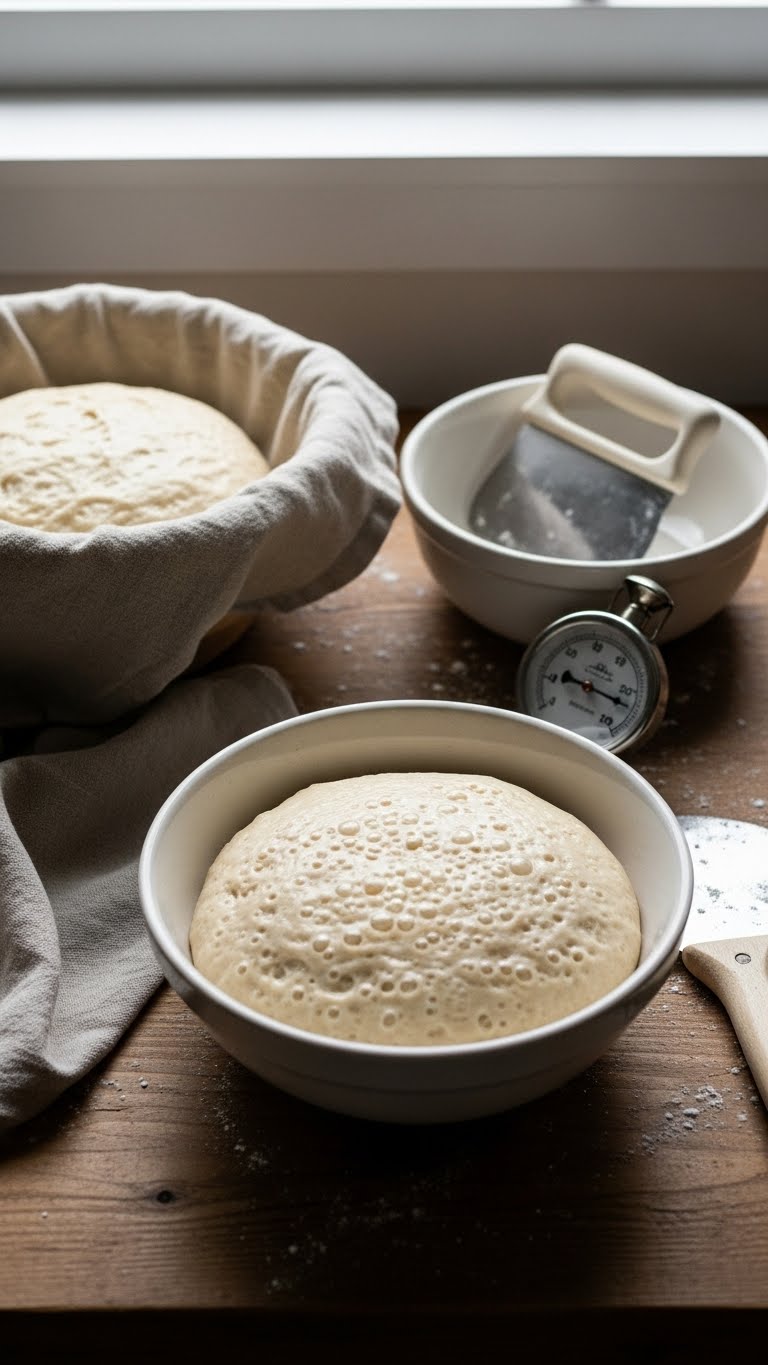
Fermentation creates flavor. Shorter, warmer ferments reduce acidity.
- Mix and autolyse: Combine flour and water, rest 30–60 minutes.
- Add starter (10–20% of total flour weight) and salt, then knead or stretch-and-fold.
- Bulk fermentation:
- Keep at 24–27°C (75–80°F) for a milder profile.
- Total bulk may be 3–4 hours with 3–4 sets of stretch-and-fold every 30–45 minutes.
- Cold proof vs. room proof:
- Short cold proof (8–12 hours) reduces sharp acetic notes.
- Long cold proof (24–48 hours) increases acidity. Avoid this if you want mild flavor.
Tips:
- Use less starter (8–12% of flour weight) to slow acid build-up.
- Shorter fermentation equals less sourness but still good structure.
Baking and Finishing Tips for Milder Flavor
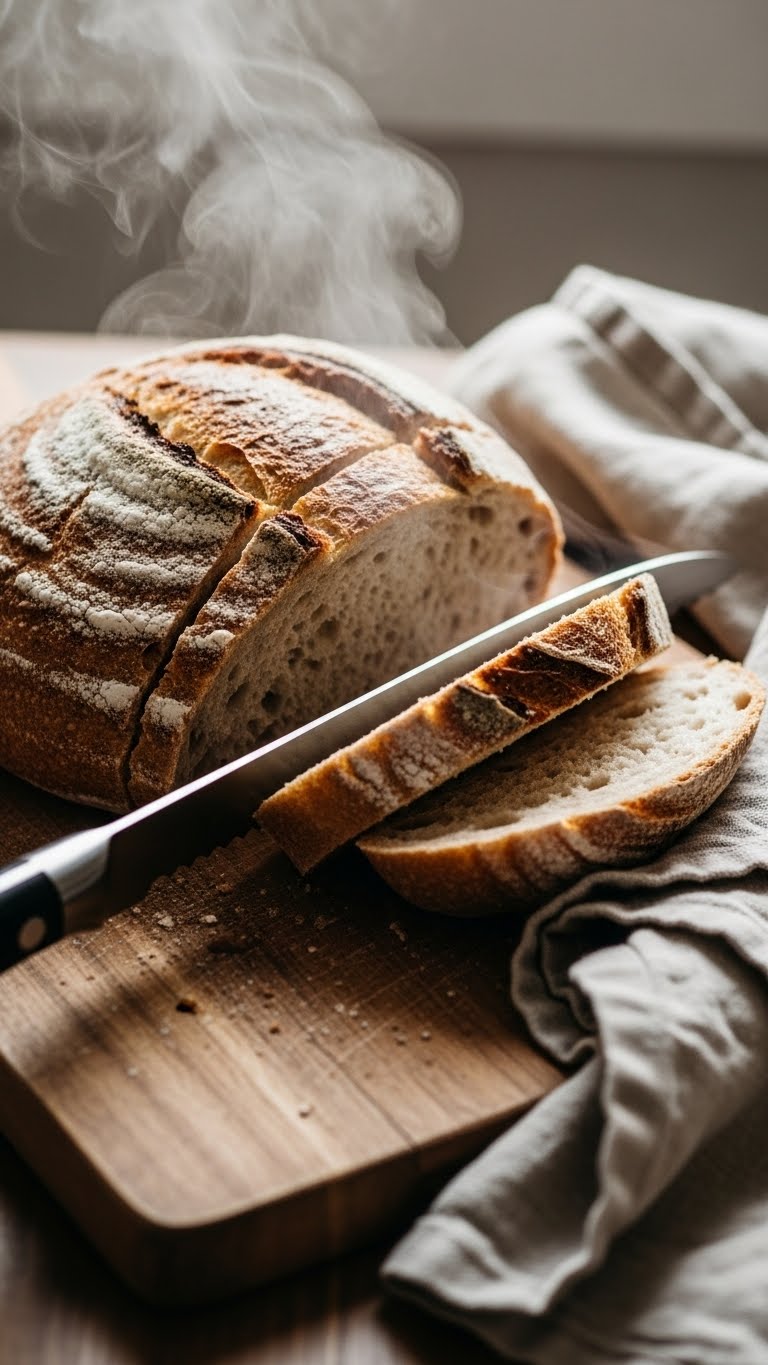
- Bake temperature: Preheat oven to 230°C (450°F), bake with steam for 15 minutes, then reduce to 200–210°C (400–410°F) for 20–25 minutes.
- Crust vs. crumb: A well-baked crust offsets any lingering tang. Don’t underbake.
- Flavor balancing:
- Add a small sweetener like 1–2 tsp honey to the dough for slight sweetness to balance tang.
- Stir in olive oil (1–2 tbsp) for a softer mouthfeel.
- Rest loaf: Let it cool at least 2 hours before slicing. Flavor continues to mellow as it cools.
Quick shortcut: If short on time, use warmer proofing and a shorter cold proof to get less sour results in a single day.
Troubleshooting Common Issues (Reduce Sourness FAQs)
- My loaf is still sour: Try reducing starter percentage or shortening cold proof.
- Bread lacks structure when you reduce starter: Strengthen dough with longer autolyse or extra folds.
- Too sweet after adding honey: Use just 1 tsp next time, or omit and adjust fermentation instead.
- Whole grain sourness: Replace up to 20% whole grain with white flour to lower acidity.
Pro tip: Keep a log of starter ratio, temps, and proof times. Small adjustments yield big flavor changes.
Let your next loaf reflect the balance you want: tangy aroma with a gentle, pleasant bite. Pin this guide for your next bake, save these timing and temperature notes, and share with a friend who loves bread. Which tip will you try first—tamer starter feedings or a shorter cold proof? Ready to make this happen? Let's do it!