
You want tangy, flavorful sourdough that tastes like more than just bread. If your loaves feel mild or one-note, small changes to starter management, fermentation, and flour choices will give you that bright, complex sour profile you crave. This guide shows exactly how to make sourdough bread more tangy and flavorful with clear steps you can try today.
You’ll learn what to change in your starter, how to build a tang-forward levain, timing and temperature tweaks, and quick troubleshooting tips. Follow the steps below and you’ll have a pin-worthy, flavorful loaf in your next bake.
What You'll Need (Ingredients + Tools)
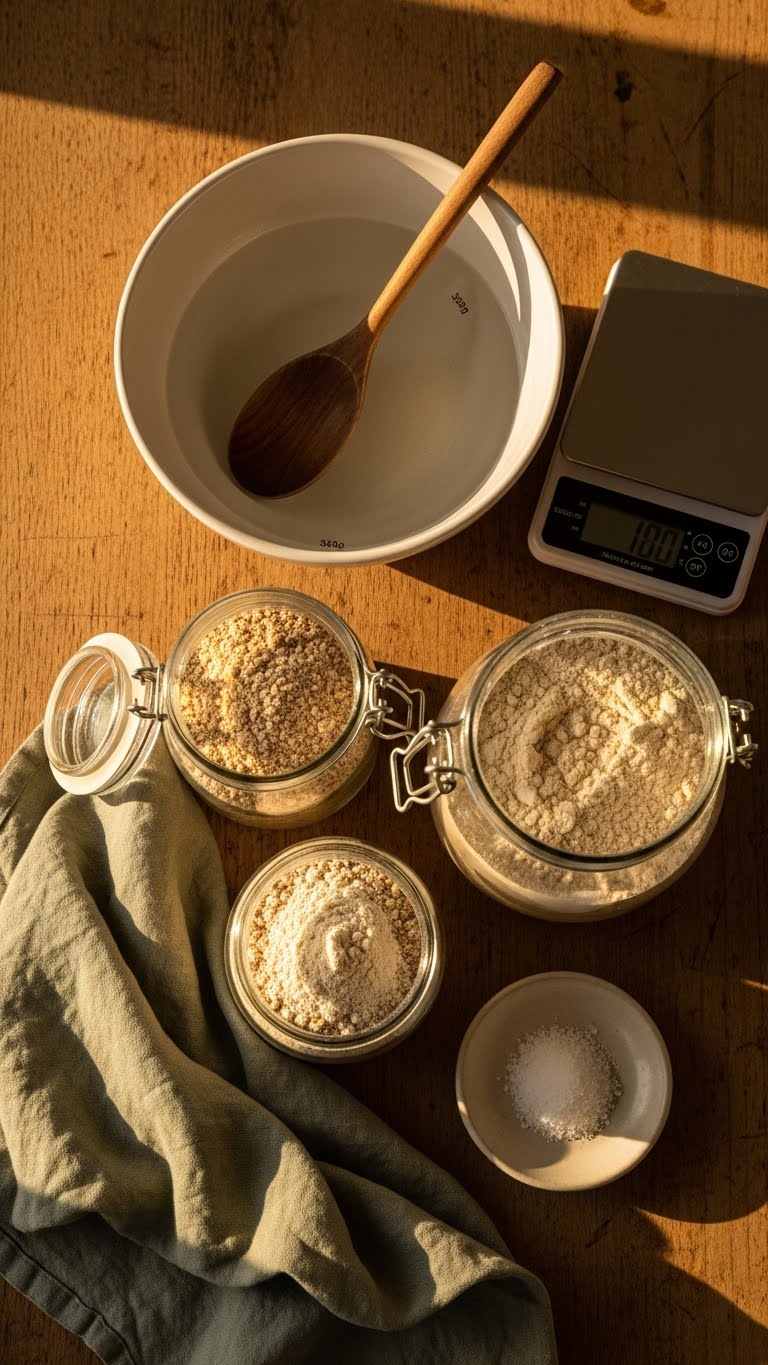
- For a standard 500g-flour loaf: 500g bread flour (or 400g bread + 100g whole grain/rye), 350g water (70% hydration), 50–75g active starter (10–15% for tangier bread), 10g salt.
- Tools: digital scale, banneton or bowl with linen, Dutch oven or heavy baking stone, bench scraper.
- Quick swaps for more flavor:
- Add 50–100g rye or whole wheat for nuttiness and acidity.
- Use less starter (10–15%) to slow fermentation and increase tang.
Getting Started: Manage Your Starter for More Tang
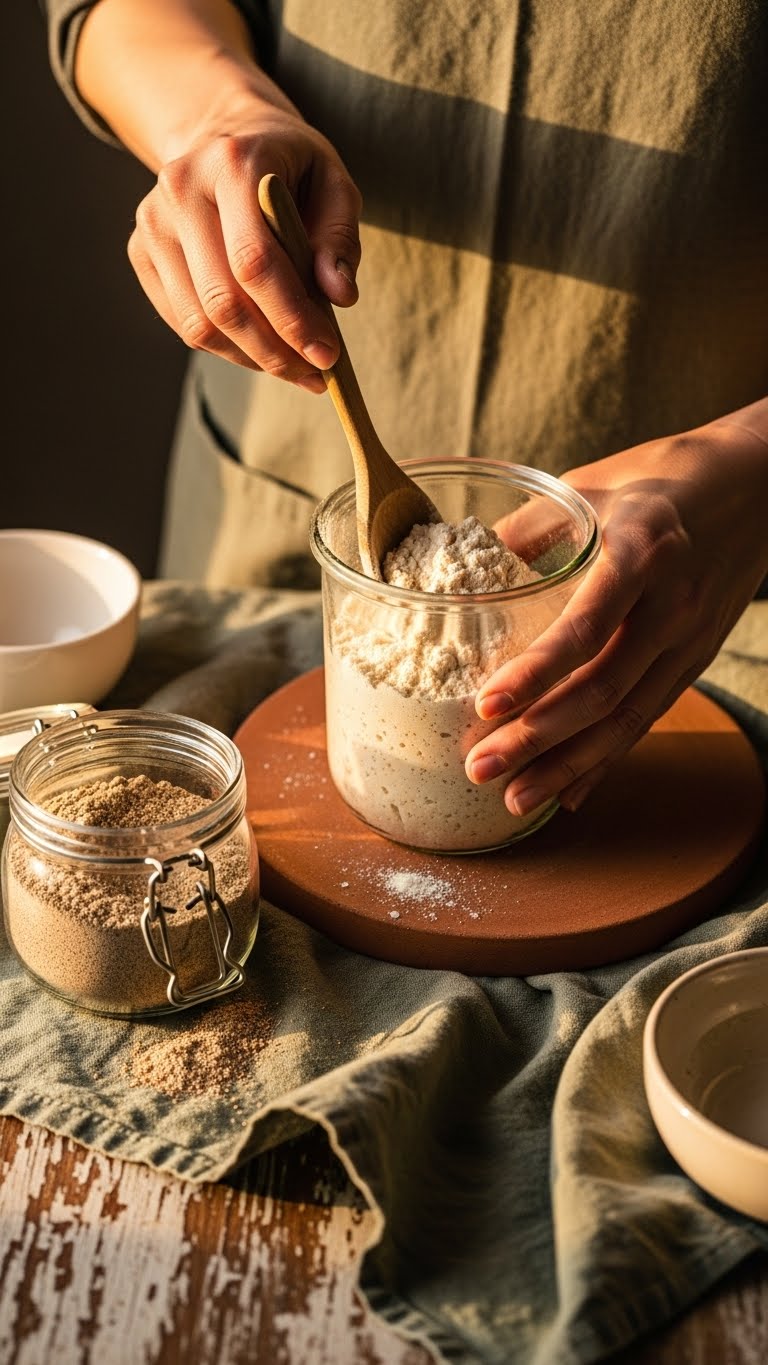
- Feed timing matters. For a tangier starter profile, feed less frequently or use a lower inoculation when building your levain.
- Build a levain 6–12 hours before mix using 10–15% starter of the total flour weight; this slower, leaner levain lets acidity develop.
- Use cooler temperatures during levain development (about 20°C / 68°F) to favor acetic acid, which gives a sharper tang.
- Tip: Feed your main starter at 1:5:5 (starter:water:flour) the day before a bake to keep acidity steady.
The Technique Step-by-Step (Fermentation, Folding, and Cold Retard)
- Autolyse: Mix 500g flour + 300–350g water and rest 30–60 minutes. This improves flavor extraction.
- Mix: Add levain (50–75g) and 10g salt, mix until cohesive.
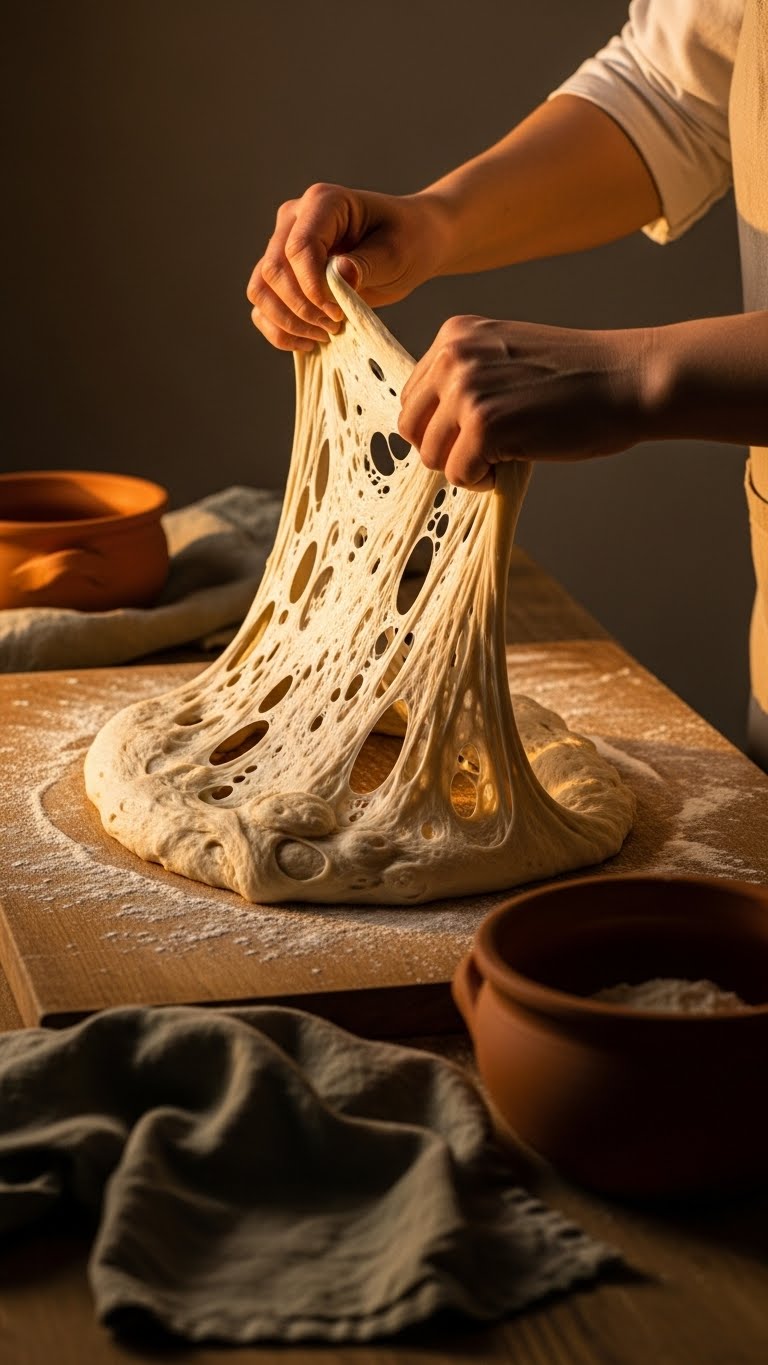
- Bulk ferment: Keep dough at a cooler room temp (~20°C / 68°F) and do 4–6 stretch-and-folds every 30–45 minutes during the first 2–3 hours.
- Shape: After bulk, pre-shape, bench rest 20 minutes, then final shape.
- Cold retard: Place in banneton and refrigerate 12–48 hours. Longer cold proof = more tang. Start at 12 hours and increase based on taste.
- Pro tip: Lower hydration slightly (65–70%) if you want more acetic character; higher hydration tends toward lactic, which is milder.
Troubleshooting, Storage, and Creative Variations
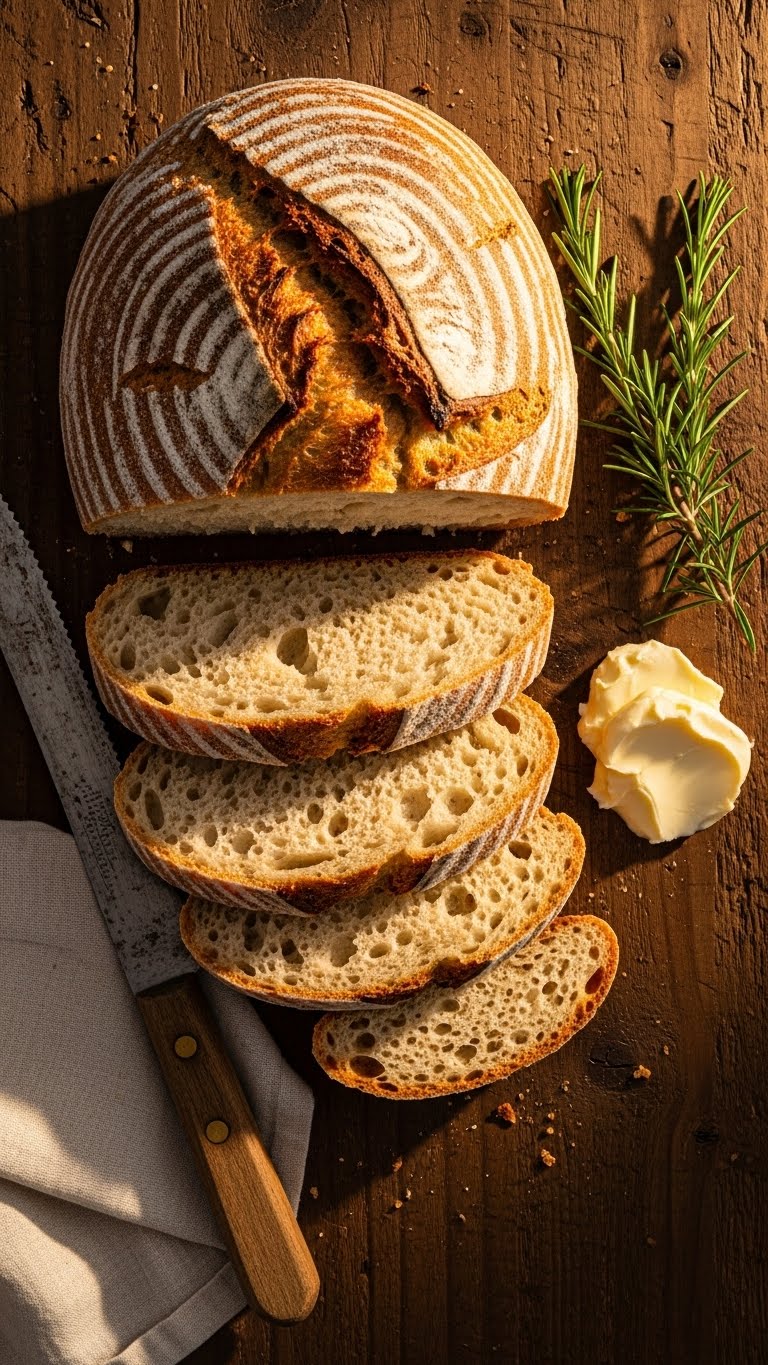
- Too mild? Try less starter (10%), longer cold retard, and add 10–20% rye/whole wheat to the flour mix.
- Too sour or sharp? Reduce cold proof to 12 hours, increase starter to 15–20%, or proof slightly warmer.
- Dense crumb? Shorten cold retard or ensure your levain is active. Always allow dough to reach full bulk fermentation before shaping.
- Storage: Keep cooled loaf in a paper bag for 2 days; freeze sliced for longer storage.
- Flavor variations:
- Add 1–2 cloves roasted garlic or 1–2 tbsp chopped herbs into the dough for savory notes.
- Swap 50–100g of bread flour for rye for earthy tang.
You’ve got the steps to make sourdough bread more tangy and flavorful without guessing. Small changes—starter percentage, fermentation temperature, and cold proof duration—create big taste differences.
Which tip will you try first? Pin this guide for your next bake, save it for later, and share with friends who want tangy, flavorful sourdough. Ready to make this happen? Let's do it!