
You love flatbreads but hate when your pita stays flat and dense. You want soft, pillowy pockets that puff up and hold fillings. This guide on how to make sourdough pita bread that puffs up gives you a simple dough formula, timed steps, and cooking tricks so you’ll get consistent puff every time. You’ll learn ingredient ratios, shaping techniques, and skillet-to-oven tips that make sourdough pita bread that puffs up reliably.
What You'll Need (ingredients + tools)

- Ingredients (yields 8 small pitas):
- 500 g all-purpose or bread flour
- 325 g water (65% hydration)
- 150 g active sourdough starter (fed, bubbly)
- 10 g kosher salt
- 1 tbsp olive oil (optional)
- Tools:
- Cast iron skillet or heavy frying pan
- Rolling pin
- Kitchen scale
- Clean towel or proofing basket
Tip: use active starter (bubbly within 4-6 hours after feeding). If your starter is slow, let dough bulk-ferment longer.
Preparing Your Starter and Dough
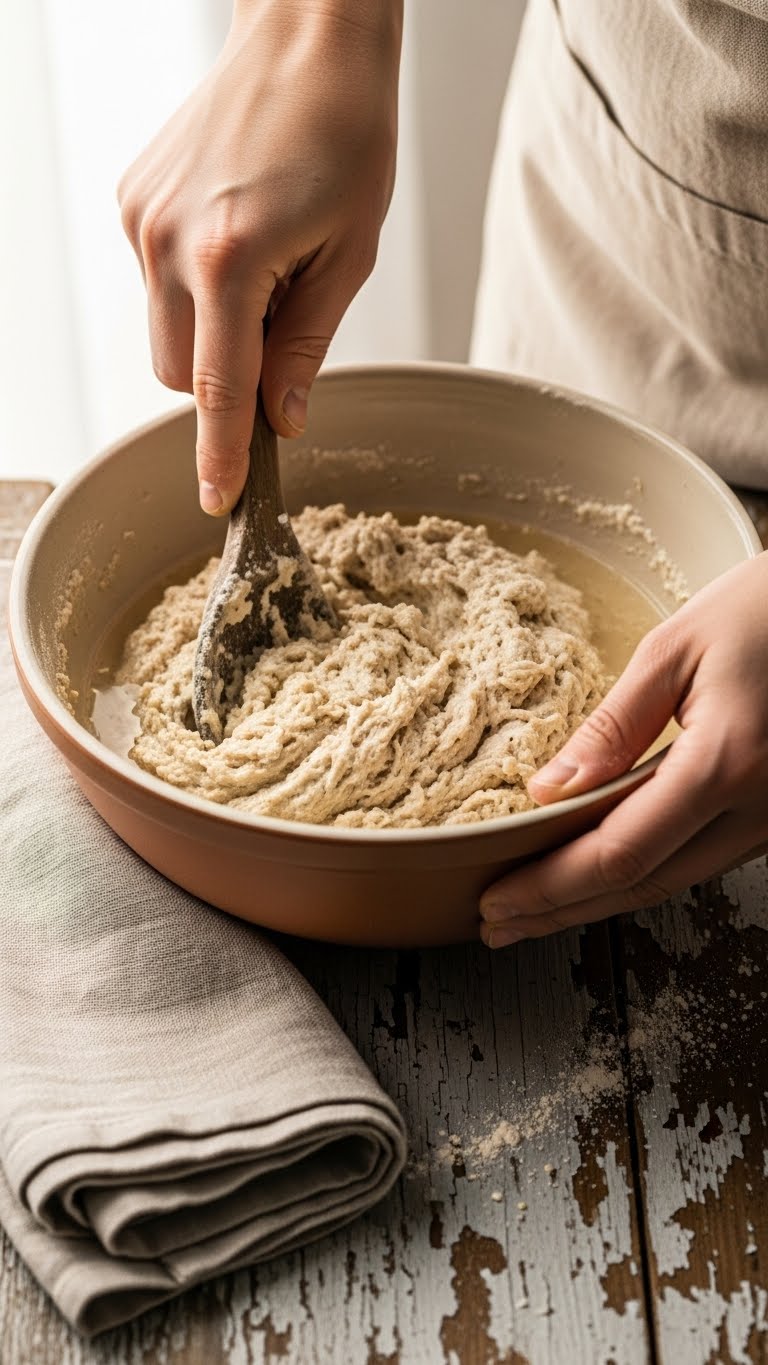
- Mix 500 g flour and 325 g water until no dry flour remains. Rest for 30 minutes (autolyse).
- Add 150 g active starter and 10 g salt; mix until incorporated. Add 1 tbsp olive oil if desired.
- Bulk ferment at room temperature for 3–4 hours, doing 3 sets of stretch-and-folds in the first 90 minutes.
- Divide dough into 8 equal pieces (~120 g each), shape into rounds, cover, and bench rest 20–30 minutes.
Helpful trick: a slightly tacky dough is easier to roll thin without tearing. If too sticky, flour your board lightly—avoid excess.
Step-by-Step: Shaping and Cooking for Puff
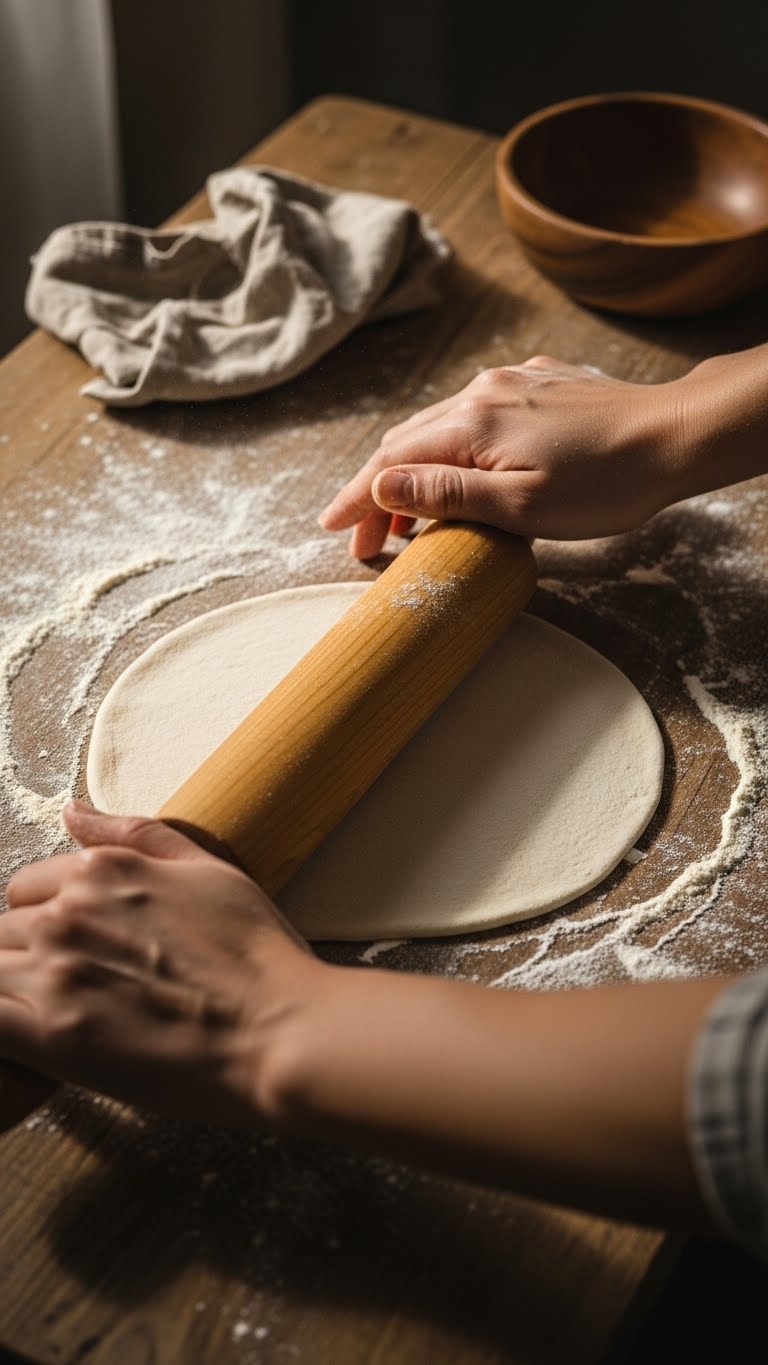
- Preheat a cast iron skillet over medium-high heat for 10 minutes until very hot.
- Roll each ball into a 6–7 inch disc, about 2–3 mm thick. Keep discs uniform.
- Cook one at a time: place the disc on the hot skillet. Cook 45–60 seconds until bubbles form, flip, then cook 30–45 seconds until brown spots appear. If pocket hasn’t fully puffed, press gently with a spatula then flip again.
- For oven method: preheat a pizza stone at 500°F (260°C) for an hour and bake on the hot stone for 60–90 seconds.
Pro tips:
- A very hot surface is essential—test with a small piece first.
- Work quickly between rolling and cooking to keep dough warm; cold dough resists puffing.
- Keep cooked pitas wrapped in a towel to stay soft.
Troubleshooting Common Issues & Storage Tips
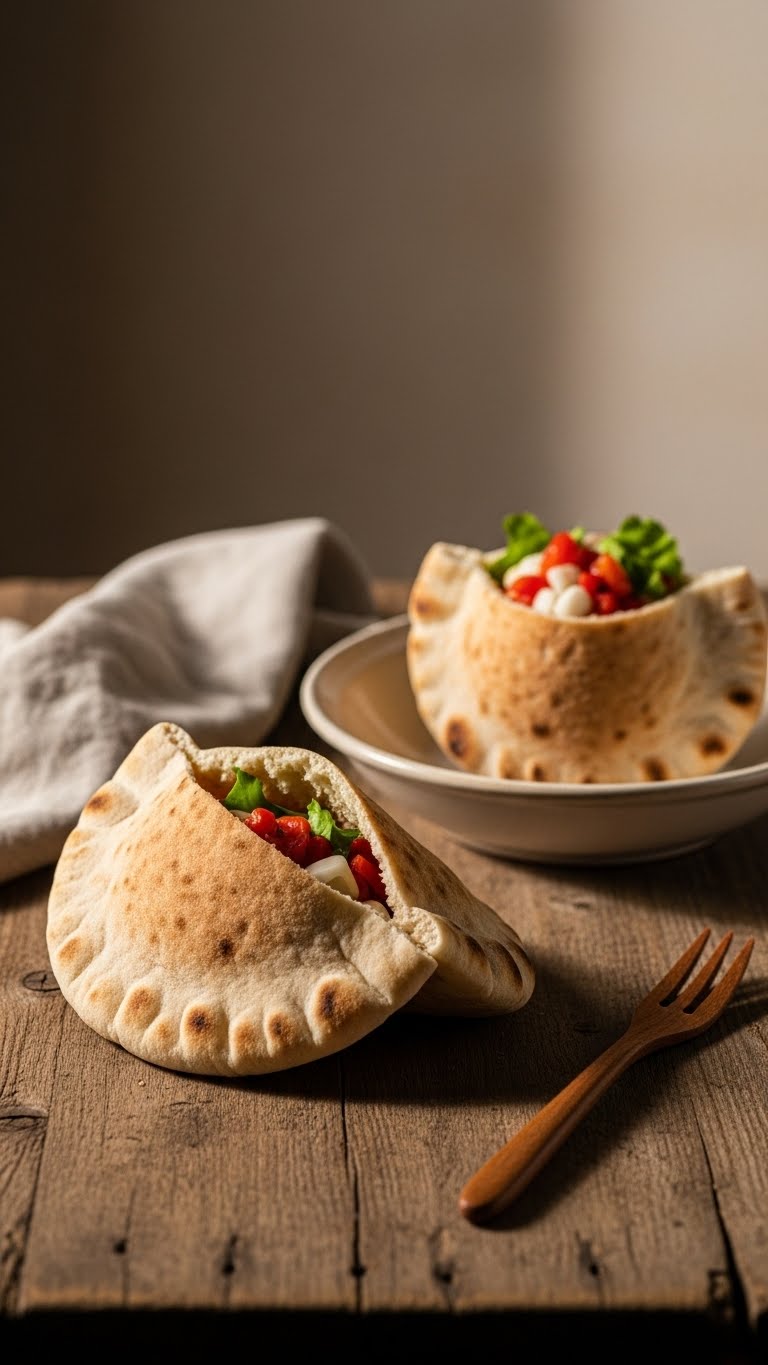
Common problems:
- No puff: dough likely underproofed or skillet not hot enough. Let proof longer or reheat pan.
- Tearing while rolling: dough too dry or rolling too aggressively. Let rest 10 minutes and use light flour.
- Dense pitas: starter weak or insufficient fermentation. Use a more active starter and allow longer bulk time.
Storage:
- Keep pitas in a sealed bag at room temperature for 2 days.
- Freeze flat in stacks separated by parchment for up to 2 months. Reheat on a skillet or steam briefly to soften.
Quick variations:
- Add 1 tsp dried za’atar to dough for herby flavor.
- Brush cooked pitas with olive oil and garlic for immediate serving.
You’ve got a reliable method for sourdough pita bread that puffs up—now it’s time to practice. This recipe rewards small adjustments: tweak starter strength, heat level, and rolling thickness until your pitas consistently open into pockets. Pin this guide for your next lunch plan and save time with the make-ahead tips. Which tip will you try first? Ready to make this happen? Let's do it!