
You picked up your jar of starter after weeks (or months) on the back shelf and wondered if it’s salvageable. Good news: you can learn how to revive a neglected sourdough starter in 3 days and bake with it again. This short, actionable guide shows exactly what to do, when to feed, and what to watch for so your starter is bubbly and ready in three days.
Follow the step-by-step plan, use the simple tools listed below, and you’ll see clear signs of life fast. Read on and pin this guide so you can come back while you feed.
What You'll Need to Revive a Neglected Sourdough Starter in 3 Days
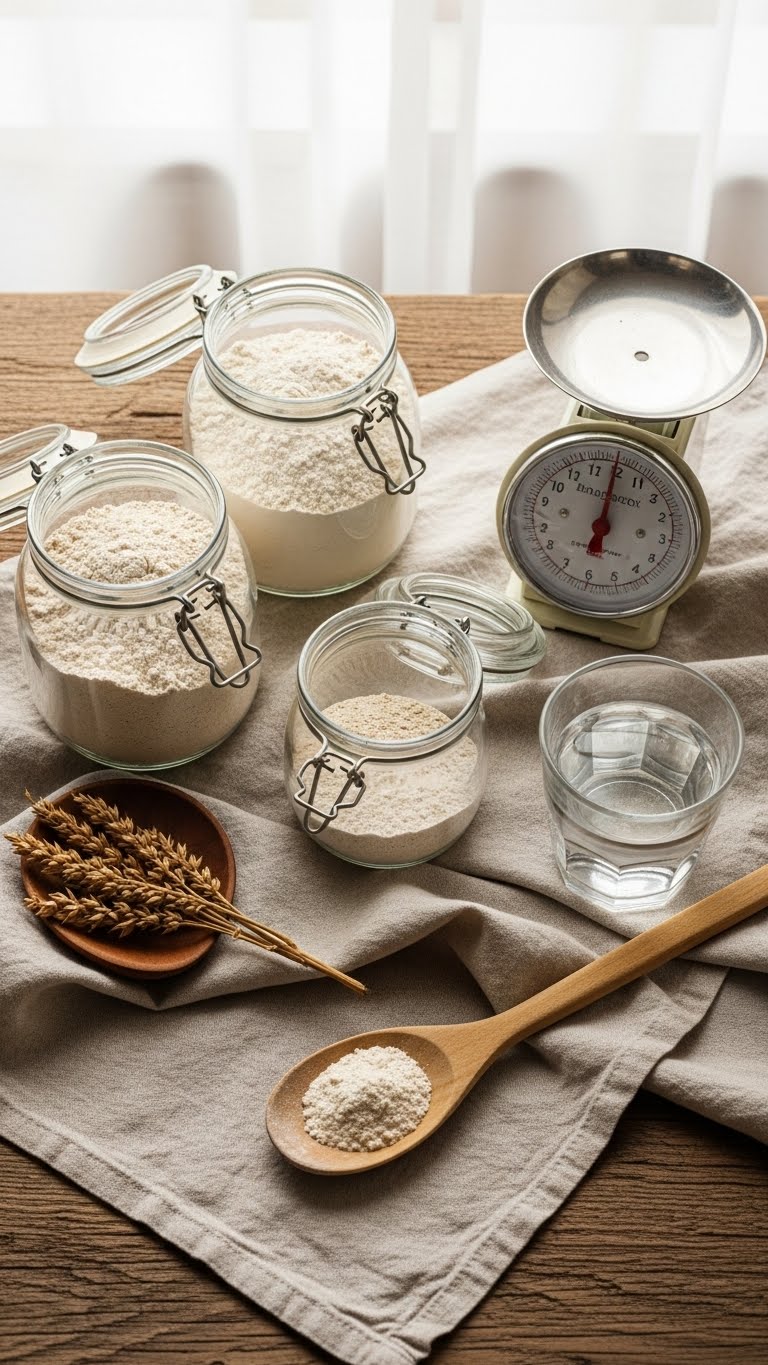
- Jar (clear glass, 500–750 ml)
- Digital scale (accurate to 1 g)
- All-purpose flour and whole wheat flour (for boost)
- Lukewarm water (~80°F / 27°C)
- Wooden spoon or spatula and clean cloth or lid
Tips:
- Use whole wheat or rye for the first feed to jump-start activity.
- Work in grams for consistent results: a 1:1:1 ratio (starter:water:flour) by weight is easiest.
Getting Started: Assess and Prepare Your Starter

- Look and smell. If the starter has pink, orange, or fuzzy mold, discard. A strong alcohol smell (“hooch”) or grayish liquid is okay—it's tired, not ruined.
- Remove and discard down to about 50 g of starter. This cuts acidity and gives yeast room to grow.
- Add 50 g lukewarm water and 50 g whole wheat flour for the first feed. Stir until combined and scrape down the jar sides.
Quick checks:
- Use a clear jar to watch bubbles and rise.
- Mark the jar with a rubber band to measure rise.
Feed, Rest, Repeat — The 3-Day Plan (Step-by-Step)
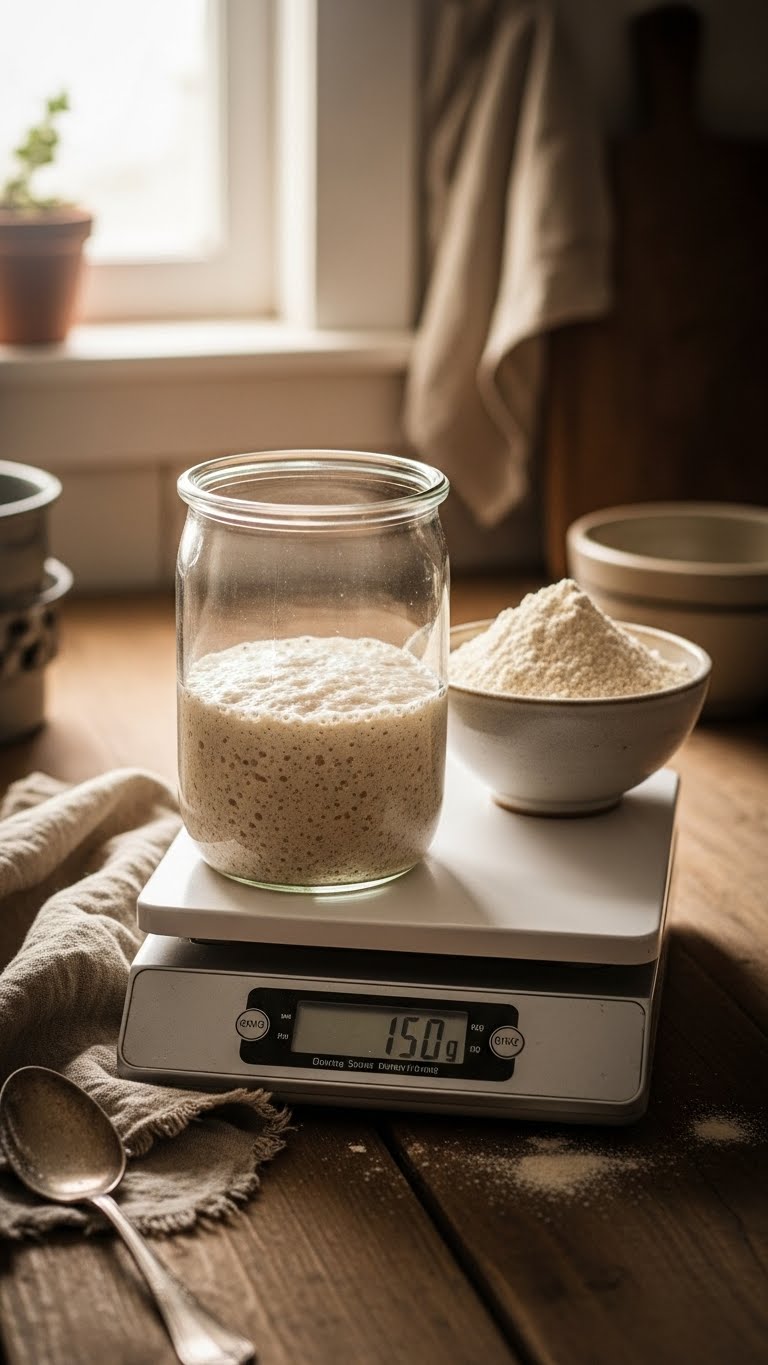
Day 1:
- Morning: discard to 50 g, feed 50 g water + 50 g whole wheat flour. Stir well. Cover loosely.
- Rest in a warm spot (75°F / 24°C) for 8–12 hours.
Day 2:
- If you see bubbles, switch to all-purpose flour for subsequent feeds. Feed 50 g starter : 50 g water : 50 g flour twice (every 8–12 hours).
- Keep consistent timing—aim for morning and evening.
Day 3:
- Continue twice-daily feeds if activity is low. If your starter is doubling 4–6 hours after a feed and is bubbly with a pleasant tang, you can feed once daily.
- By the end of Day 3, expect visible bubbles, a mild tangy smell, and at least 25–50% rise after feeding.
Pro tricks:
- If very sluggish, use a 1:2:2 feed (50 g starter : 100 g water : 100 g flour) to give more food.
- Keep the jar in the oven with the light on or near a warm window during cool weather.
Troubleshooting Common Issues (and When to Keep Going)

If you see no bubbles after 48 hours:
- Try whole grain flour on the next feed for extra nutrients.
- Increase room temperature slightly or use a warming mat set to low.
If you smell alcohol/hooch:
- Pour off the hooch and proceed with the discard-and-feed schedule.
If you see mold or odd colors (pink/orange):
- Discard starter and start fresh.
When it's ready:
- Look for consistent doubling, lots of bubbles, and a pleasant yeasty, slightly tangy smell. That means you can use the starter for baking.
Using and Storing Your Revived Starter
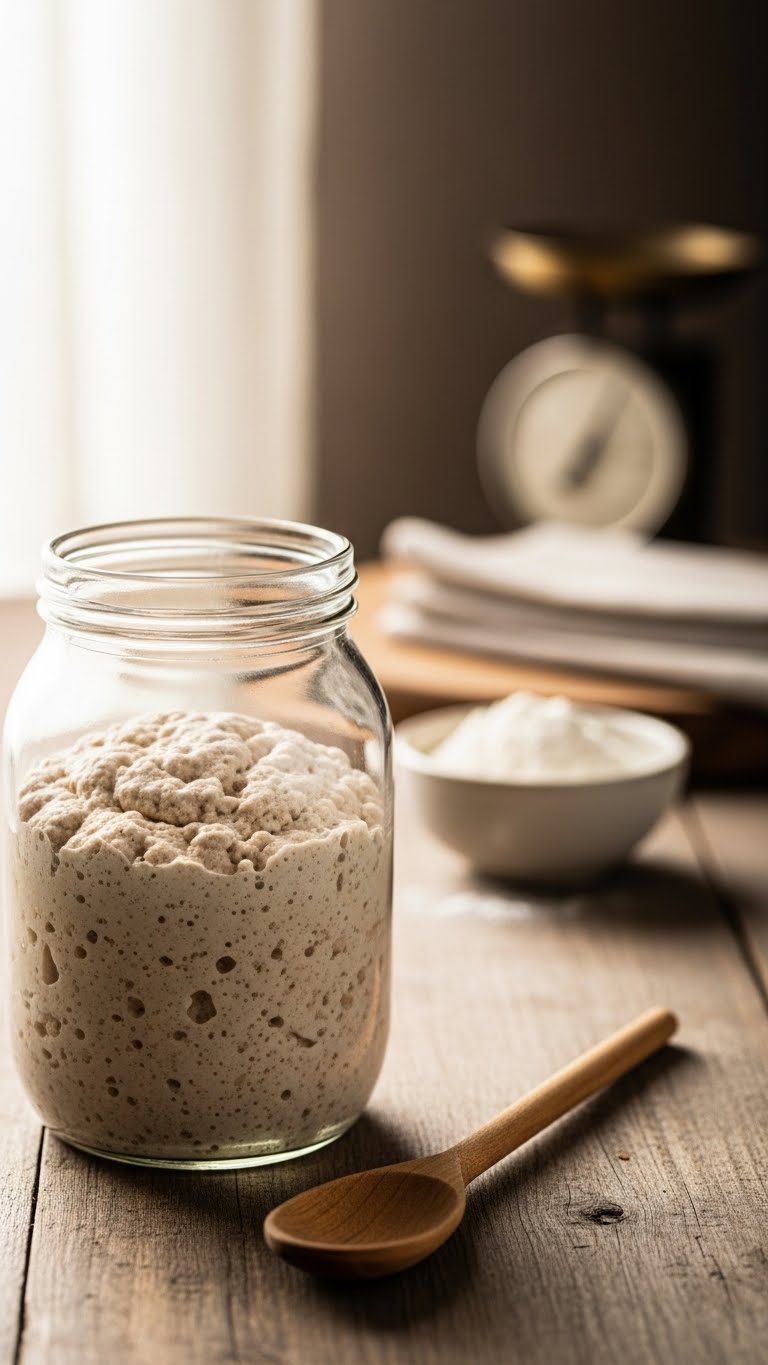
- For daily baking: keep at room temperature and feed at least once every 24 hours.
- For weekly baking: refrigerate and feed once a week. Before baking, bring to room temp and feed twice over 8–12 hours to reactivate.
Shortcuts:
- If you need a bake sooner, use the starter at its peak (4–6 hours after feeding) for better oven spring.
You now know how to revive a neglected sourdough starter in 3 days and what to do if it stalls. Pin this guide for the next time your starter is sleepy, and share it with a friend who’s putting their jar back into action. Which tip will you try first — whole grain boost or the warmer spot trick? Ready to make this happen? Let's do it!