
You love baking and your starter is thriving — but sharing it feels intimidating. You want to know exactly how to share your sourdough starter with friends safely, without passing on a cranky culture or causing confusion. This guide walks you through what to gather, how to prepare a clean portion, and the safest way to package and label it.
Follow these steps and you'll send friends home with a happy, usable starter. You'll learn simple timing tips, exact portions, and common pitfalls to avoid.
What You'll Need to Share Your Sourdough Starter
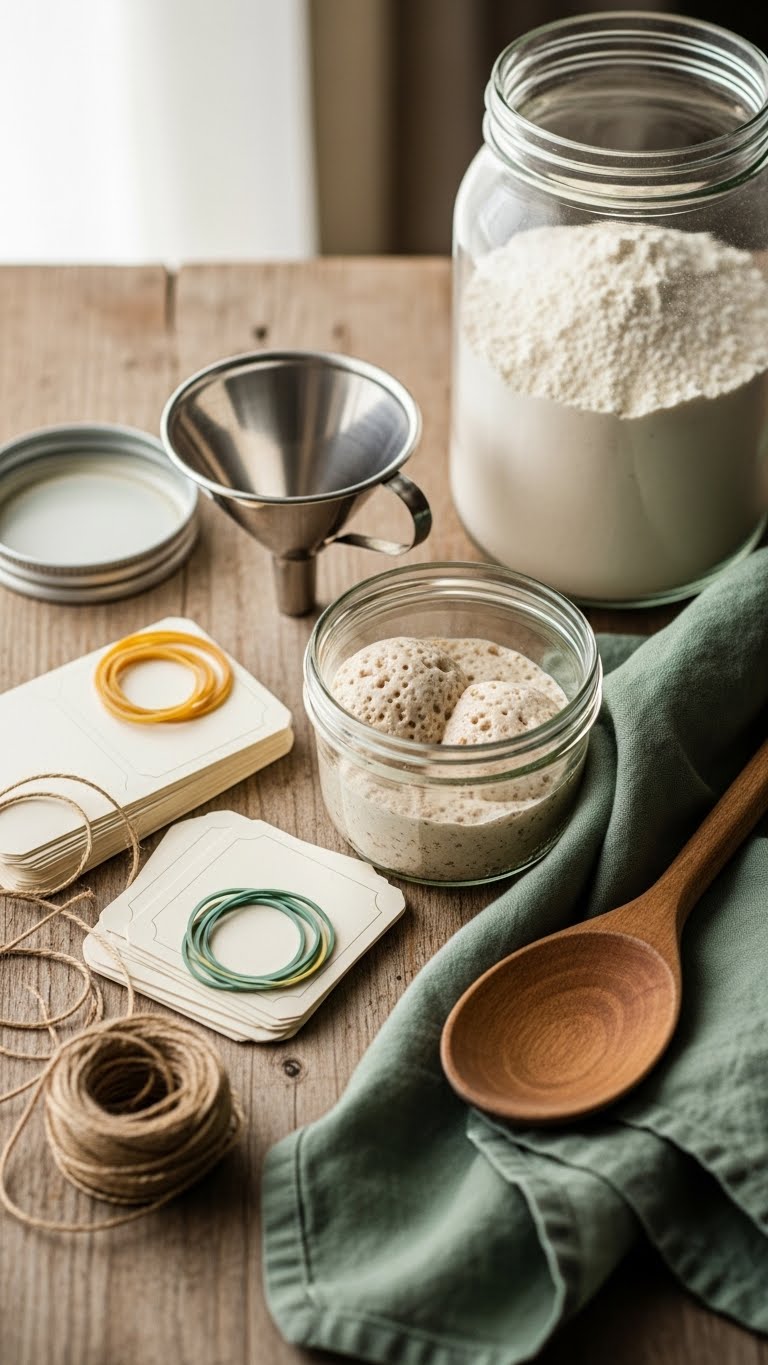
Gather everything before you start so the process stays sanitary and quick.
- Clean, sterilized 4‑ounce (120 ml) glass jars with airtight lids.
- A small funnel, spoon, and label stickers or masking tape.
- Extra flour for feeding and a jar for transporting if you prefer dry starter.
- A marker and instructions card for your friend.
Quick tips:
- Wash hands and sanitize jars with boiling water or dishwasher hot cycle.
- Work near a clean surface and avoid cross-contamination from other fermenting jars.
Prepare the Starter for Sharing
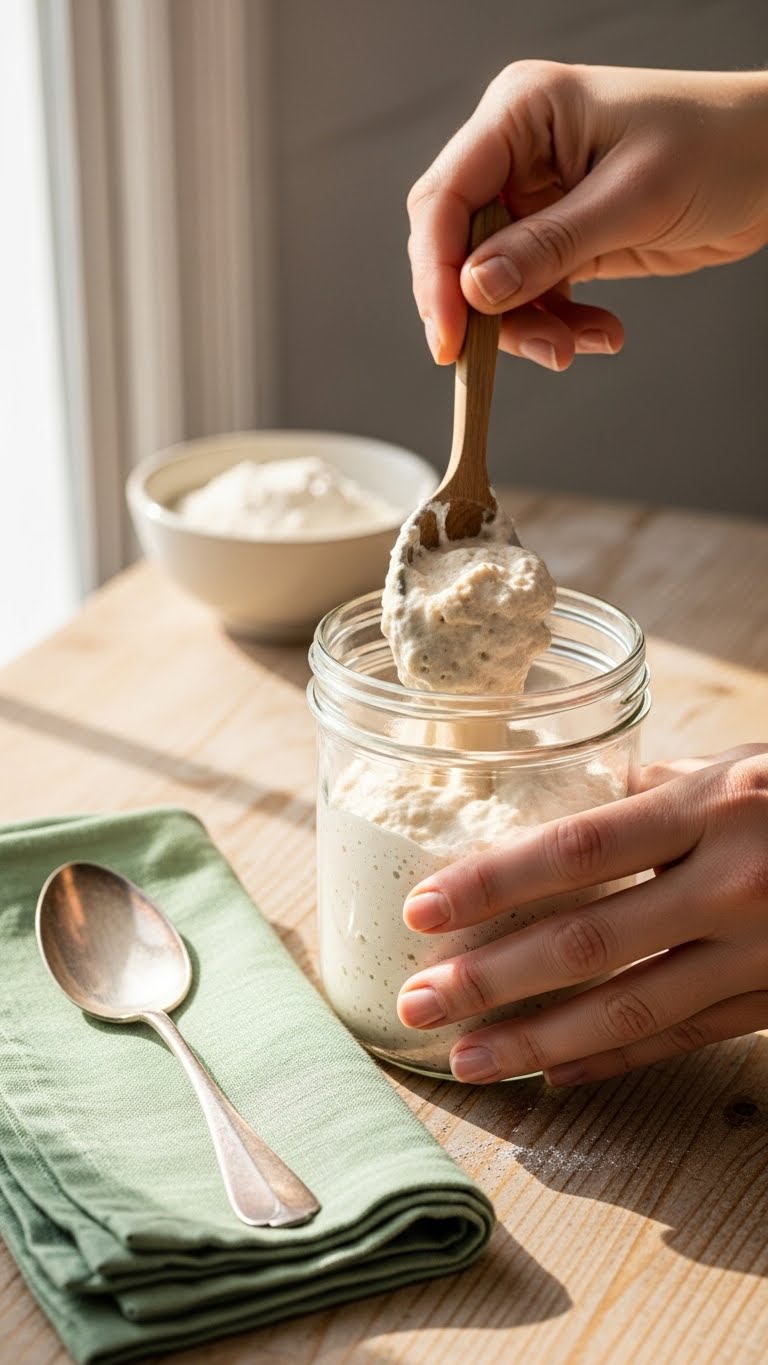
When deciding how to share, aim for a lively but settled starter. How to share your sourdough starter with friends safely starts with feeding it.
- Feed your starter 8–12 hours before you plan to divide it.
- Use a ratio of 1:1:1 (starter:flour:water by weight) for a predictable activity level.
- Take 2 tablespoons (about 30 g) into each jar — enough for a couple of bakes.
Numbered steps:
- Stir the starter to a homogenous texture.
- Scoop measured portions into jars.
- Leave a little headspace and close lids loosely if shipping same day.
Warning: If the starter smells strongly of acetone or shows mold, don’t share. Discard and start fresh.
Pack, Label, and Deliver Safely
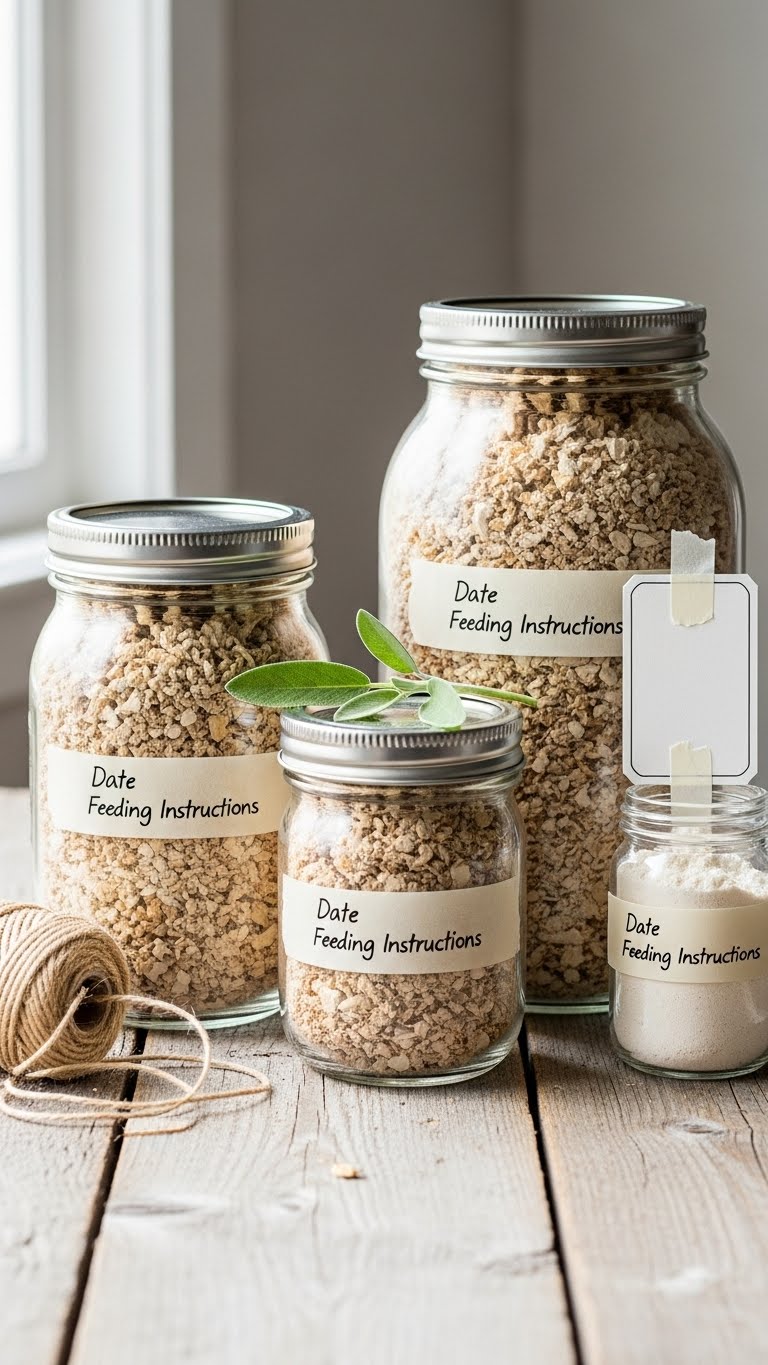
How to share your sourdough starter with friends safely includes clear labeling and storage notes.
- Write date of transfer, last feed time, and feeding ratio on each jar.
- Include a short instruction card:
- “Feed 1:1:1, room temp, discard then feed if inactive after 24 hours.”
- If shipping, cushion jars and keep transit under 48 hours.
Delivery tips:
- Share in person when possible — you can demonstrate a feed.
- If your friend is new, recommend keeping the jar at room temperature and feeding daily until active.
Troubleshooting and Storage Tips
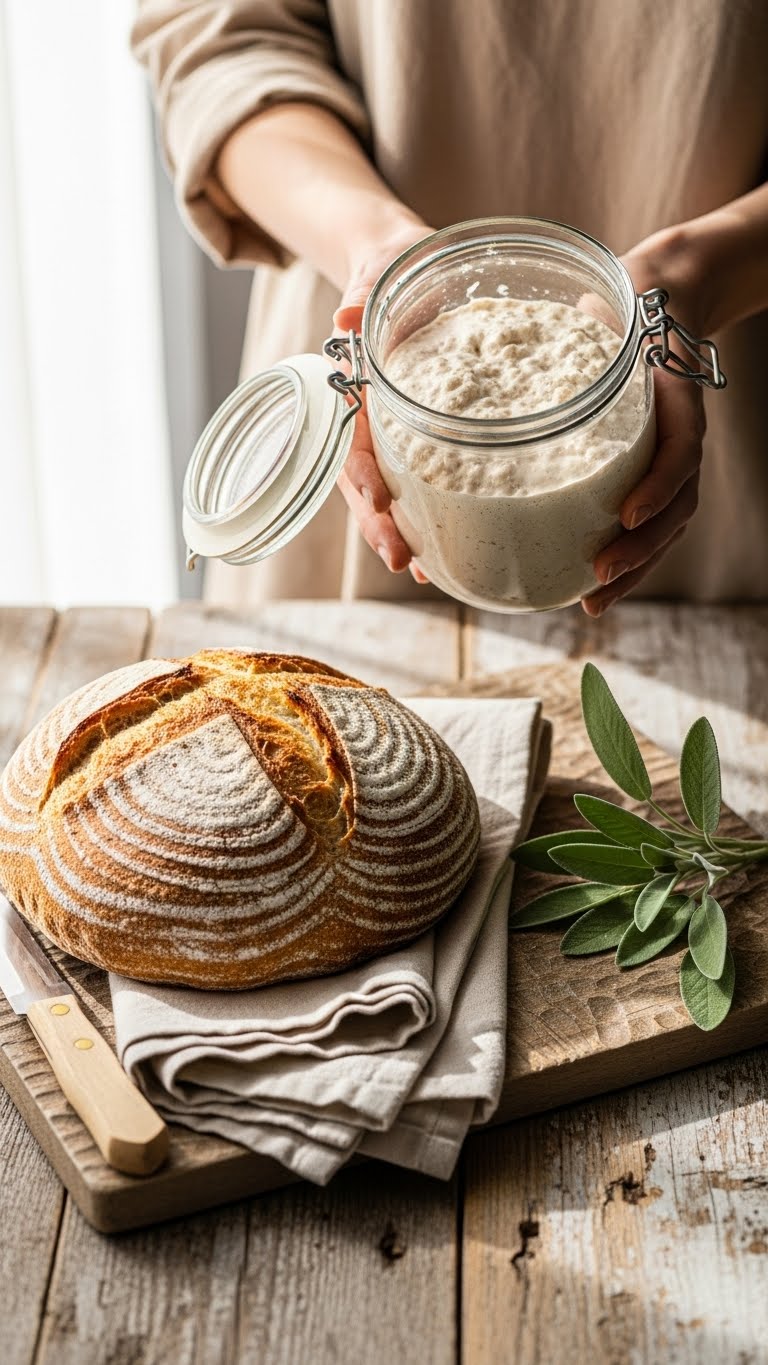
Keep your friend’s success in mind with clear troubleshooting notes.
- If starter is slow to bubble: feed twice daily for two days.
- If watery or separated: stir, feed, and keep warm (around 70–75°F / 21–24°C).
- For longer storage: refrigerate jars for up to 1 week, or dry 75–100 g of starter on parchment for a mail‑safe option.
Common mistakes to avoid:
- Sharing unlabelled jars.
- Using wet, contaminated utensils.
- Sending a starter that hasn’t been fed recently.
You're handing over more than yeast — you’re giving a living culture. Small care steps upfront make the handoff smooth.
Pin this guide for your next batch and you'll never be unsure about how to share your sourdough starter with friends safely again. Ready to give someone a starter this weekend? Save this for later and share with a friend who loves baking! Which tip will you try first?