
You love that crackly, glossy sourdough crust but you’re unsure how to get it at home. If your loaves come out matte or soft, learning how to steam your oven for better sourdough crust will change your bakes. You’ll get a thinner, shinier crust with better oven spring and that tactile crackle you want.
This guide shows simple, practical steaming methods, exact temps and timings, and safety tips so you can add oven steam to your baking routine tonight.
What You'll Need (ingredients + tools)
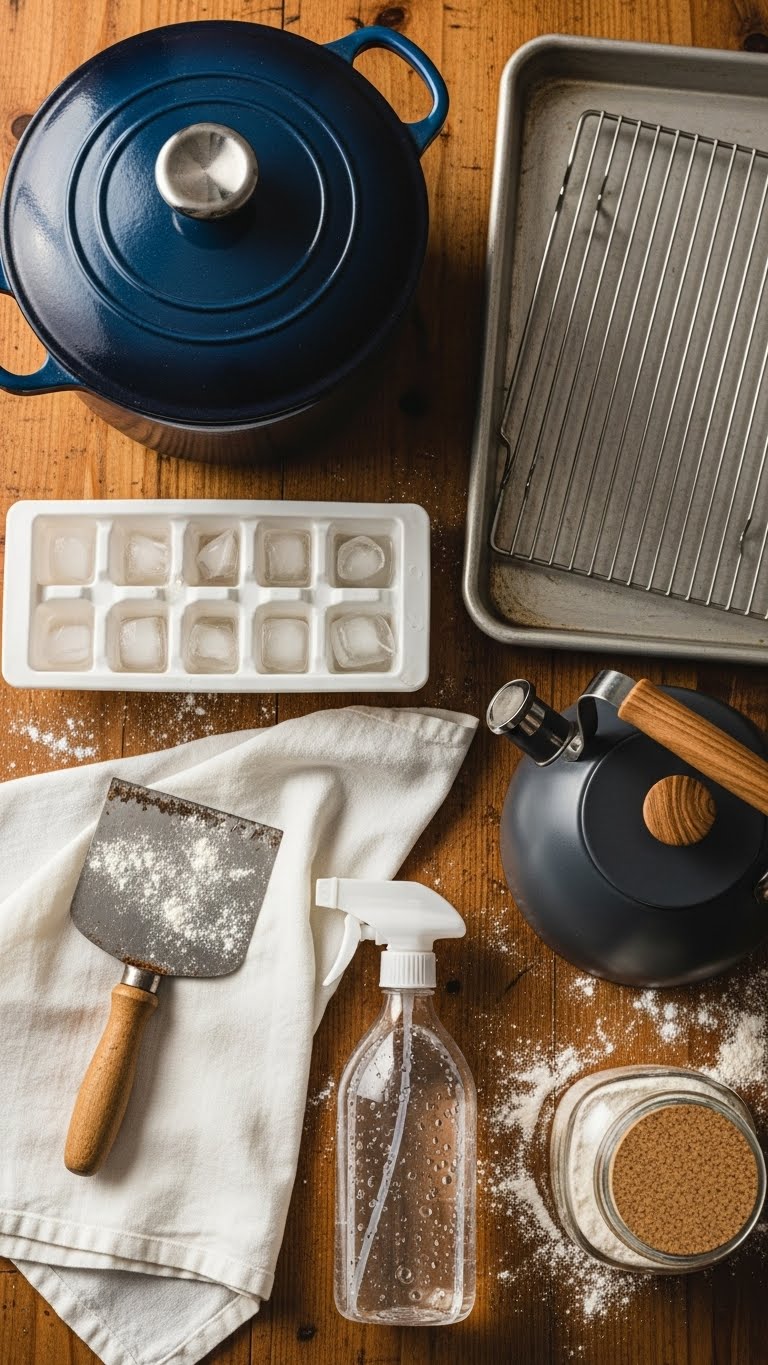
Gather these items before you bake. Steam works best when everything’s ready.
- Tools: Dutch oven with lid, rimmed baking sheet or metal loaf pan, metal cooling rack, kettle or pot for boiling water, spray bottle (optional).
- Materials: Hot water, 6–8 ice cubes (if using ice method), a small metal tray, and your shaped sourdough loaf.
- Temperatures: Preheat oven to 475°F (246°C) for most recipes; reduce to 450°F (232°C) after loading if needed.
- Safety: Use thick oven mitts and a long-handled spoon for water. Hot steam can burn—stand back when adding water.
Getting Started (how to prep for steam)
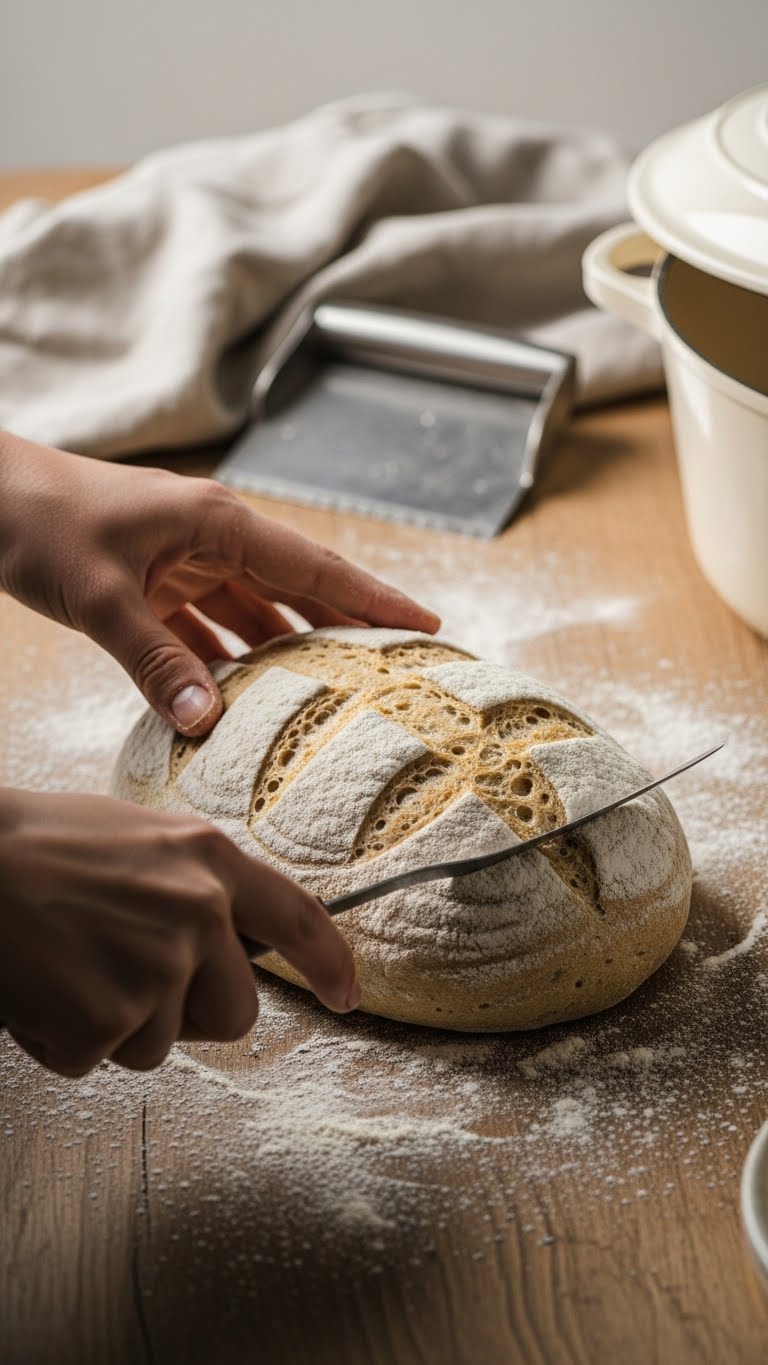
Start with a very hot oven and a plan for how you’ll add steam. The timing matters.
- Preheat your oven and vessel for at least 30 minutes to ensure the metal is fully hot.
- If using a Dutch oven, preheat it inside the oven on the middle rack.
- Score your loaf just before loading; scoring helps steam expand the dough surface.
- Have your boiling water or ice ready by the oven to minimize heat loss.
Tips:
- Use a preheated metal tray or baking stone for a crisper base.
- If using a spray bottle, fill it and keep it handy but don’t spray while the door is open for long.
The Technique Step-by-Step (how to steam your oven for better sourdough crust)
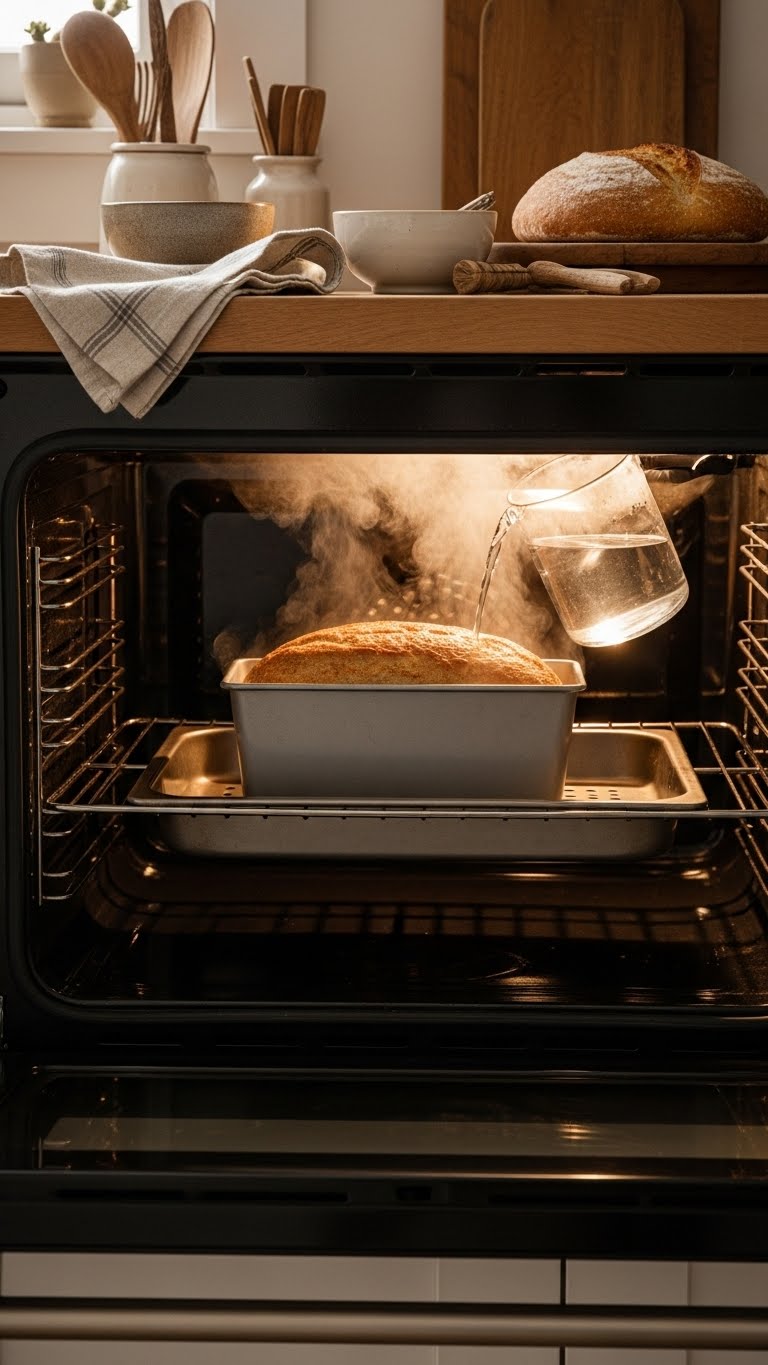
Choose one of these tested methods, and follow the steps exactly.
Dutch oven method (best for beginners):
- Heat Dutch oven at 475°F (246°C) for 30 minutes.
- Place loaf into hot Dutch oven, cover with lid, and bake 20 minutes covered.
- Remove lid and bake uncovered 15–25 minutes until deep brown and crackly.
Boiling-water tray method:
- Place an empty metal tray on the oven floor while preheating.
- Slide loaf onto middle rack. Quickly pour 1–2 cups boiling water into the hot tray and close the door.
- Bake 15 minutes with steam, then vent oven (open door briefly) and continue baking 20–25 minutes.
Ice cube method (gentle steam):
- Scatter 6–8 ice cubes into a preheated metal tray when you load the loaf. Bake as above. This creates steadier, longer-lasting steam.
Quick tips:
- Keep steam in the oven for the first 10–20 minutes of baking; after that, you want a dry oven for browning.
- Reduce oven temp 25°F (≈15°C) after the initial steam phase if your crust browns too fast.
Troubleshooting Common Issues (fixes and pro tricks)
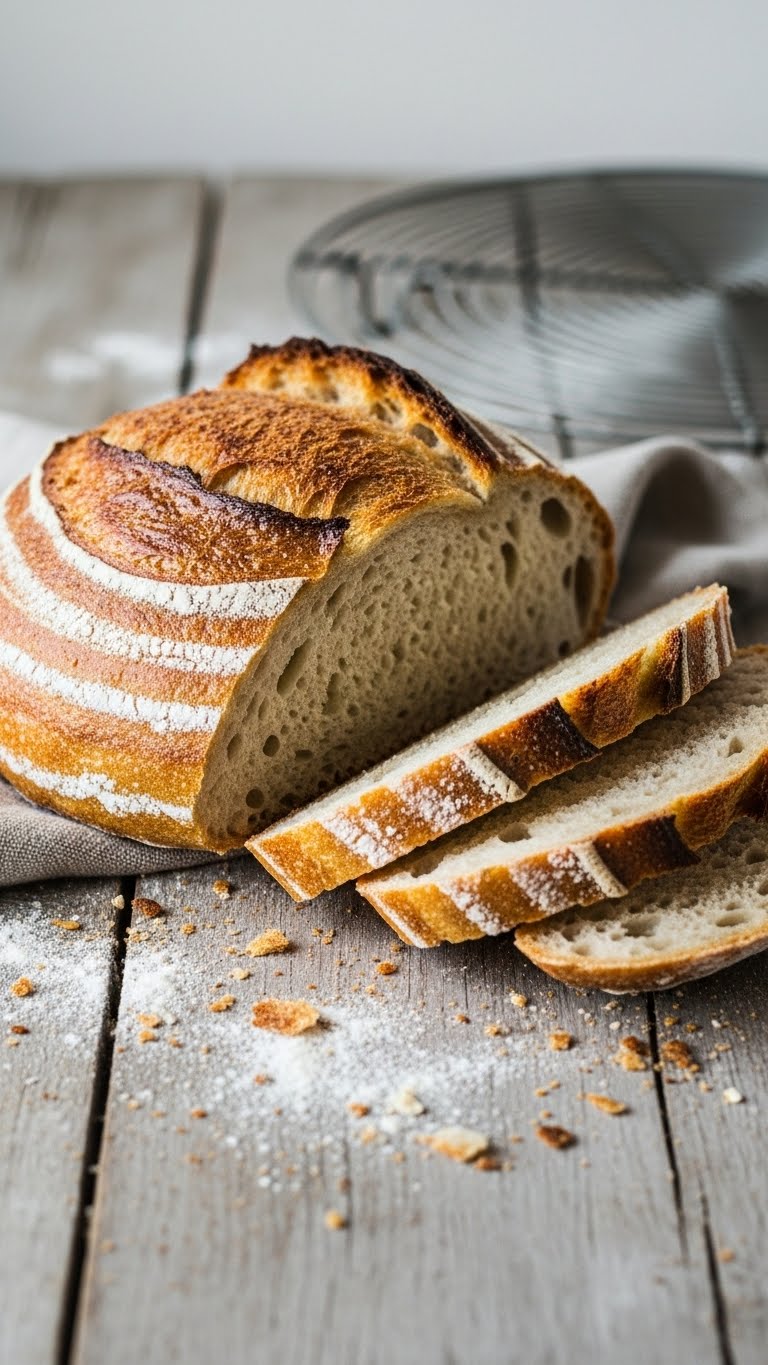
If your crust isn’t glossy or the loaf lacks oven spring, try these fixes:
- Problem: Soft, dull crust
- Solution: Increase steam intensity for the first 10–15 minutes; use boiling water rather than misting.
- Problem: Crust burnt on bottom
- Solution: Move the tray up a rack or use a thicker baking stone to buffer direct heat.
- Problem: Loaf spread too much
- Solution: Ensure proper shaping and a tighter final proof; steam helps spring but won’t fix under-proofed dough.
Pro tricks:
- Add a small metal cup with a few ice cubes to extend steam slowly.
- Rotate the loaf halfway through uncovered baking for even color.
Warm warning: opening the oven to add water releases a burst of steam—stay back and use mitts.
You’ll get more consistent results by practicing the same method for three loaves in a row, adjusting time or water volume slightly each bake.
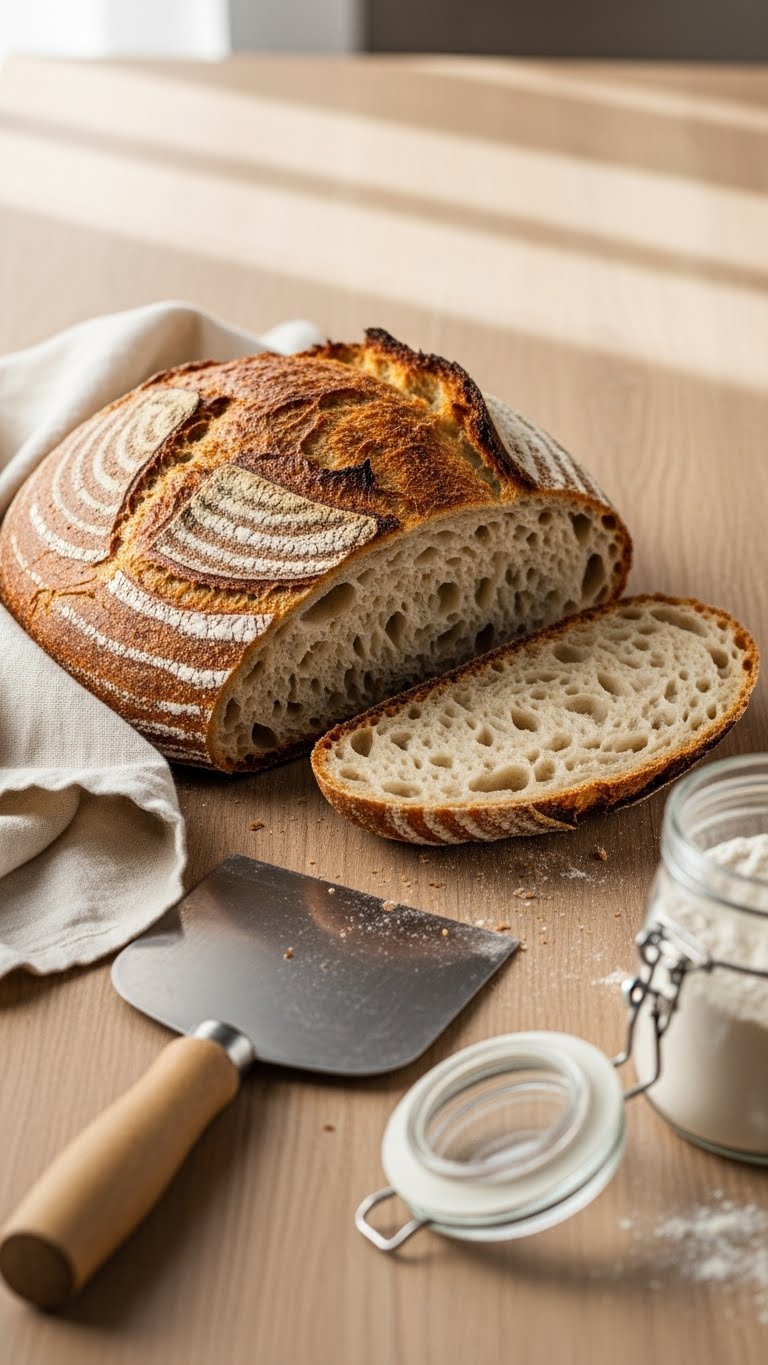
Your loaves will thank you for the steam. With these clear steps for how to steam your oven for better sourdough crust, you’ll get shinier, thinner crust and stronger oven spring. Pin this guide for your next bake, save it for later, and share it with friends who want crispier sourdough. Which steaming method will you try first? Ready to make this happen? Let's do it!